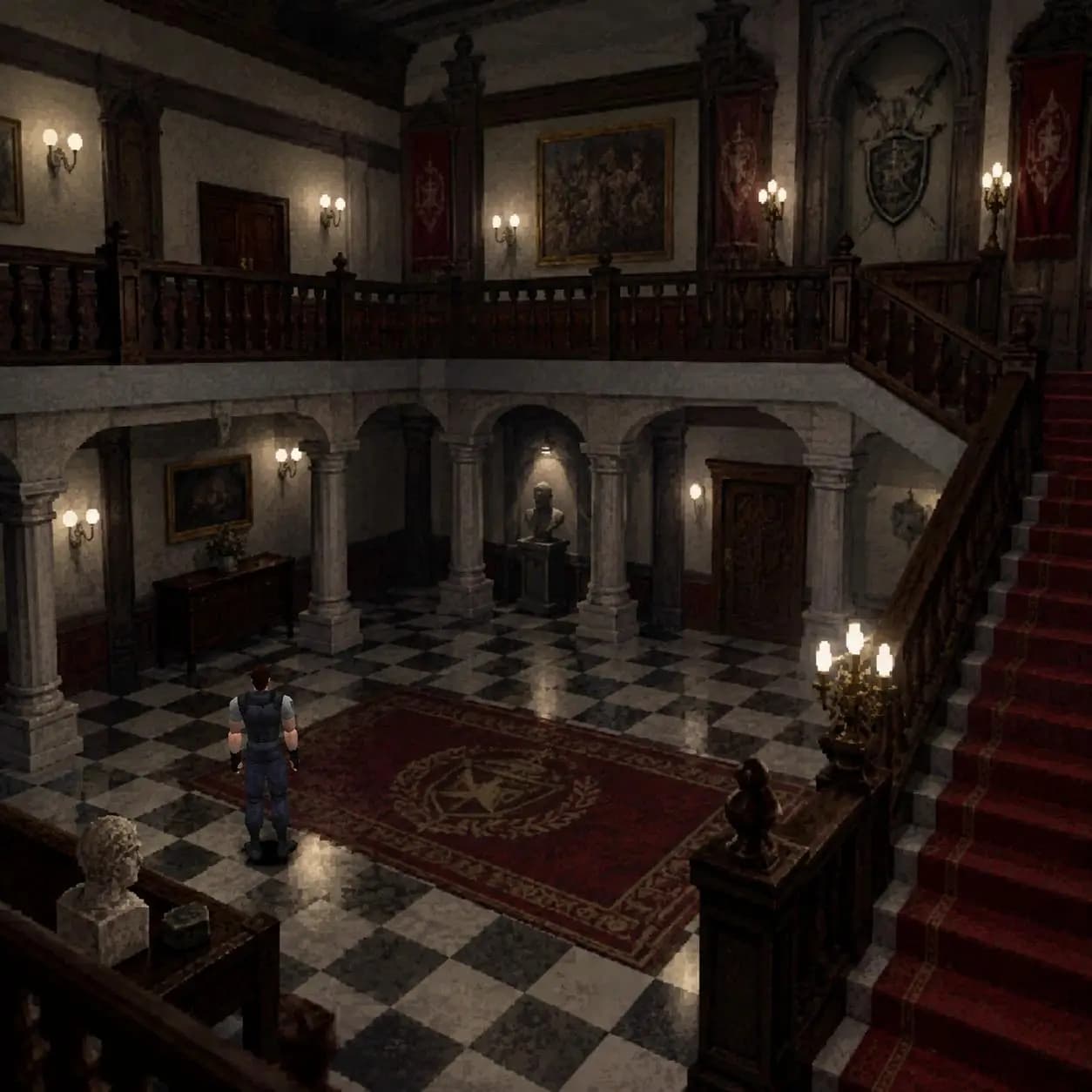
Resident Evil (1996) Development History: The Engineering Triumph of Shinji Mikami
How strict hardware limitations of the Sony PlayStation, a classic Famicom legacy, and B-movie inspiration helped Capcom change gaming history.
How strict hardware limitations of the Sony PlayStation, a classic Famicom legacy, and B-movie inspiration helped Capcom change gaming history.
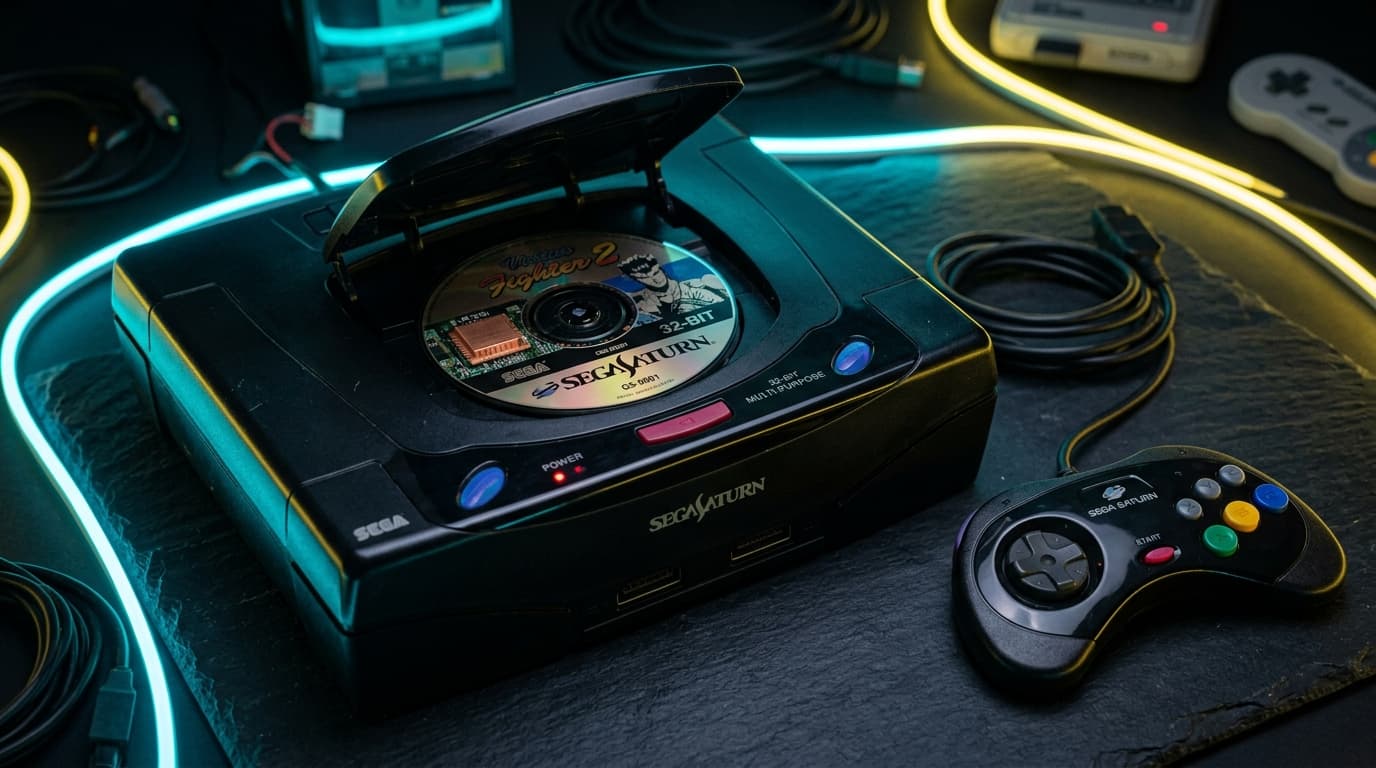
Eight specialized processors, square polygons instead of triangles, and a 90s programmer's nightmare. Why Sega's engineering masterpiece proved insurmountable.
Sony's public humiliation at CES 1991, a lone working prototype rescued from an attic, and the birth of Nintendo's fiercest corporate rival.
Bold ideas, built-in modem, VMU interactive memory cards, and timeless classics. Why Sega's swan song was a vision of future gaming.
Game archivists discovered an unreleased developmental build of a 1993 Super Nintendo platformer.
How Tim Cain and a small dedicated crew crafted the definitive post-apocalyptic RPG despite corporate doubt.
Looking back at the December 1994 launch that changed home interactive entertainment forever.
Koji Igarashi's non-linear masterpiece proved that 2D gameplay could soar even during the dawn of 3D polygon craze.
The British engineers at Argonaut and the co-processor technology behind Star Fox and Yoshi's Island.
Archivists have dumped an elusive Spaceworld 1997 cartridge revealing early dungeon layouts and combat mechanics.
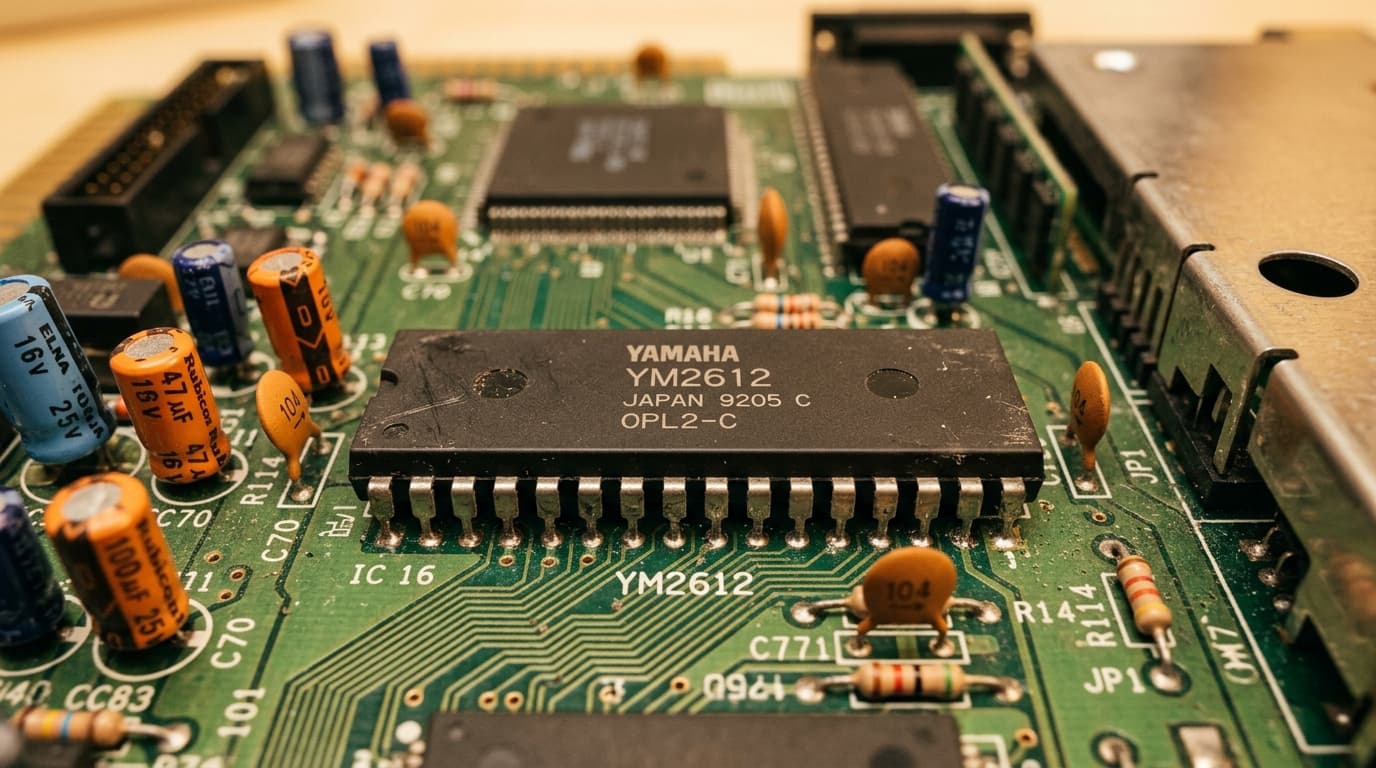
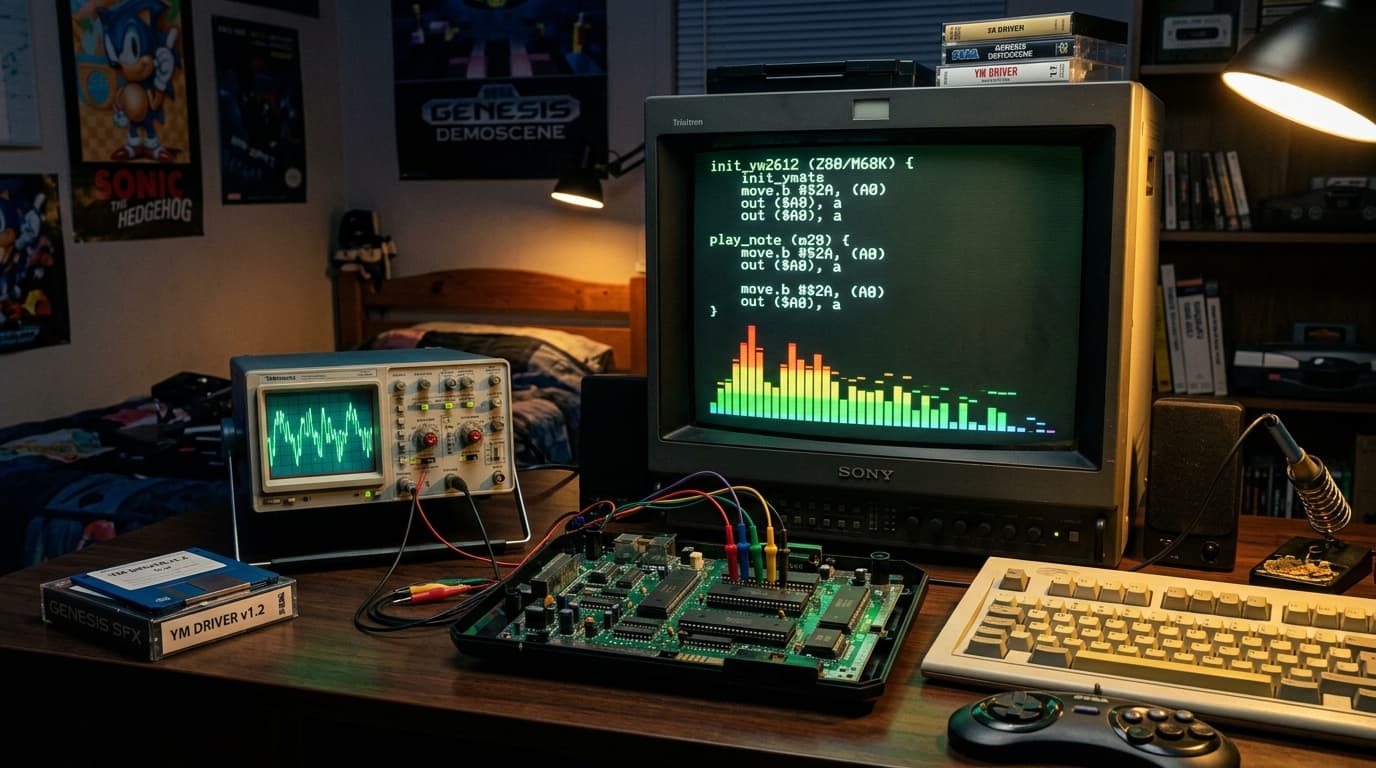
Six FM synthesis operators, 9-bit DAC quirks, gritty distortion in Streets of Rage, and the wizardry of Yuzo Koshiro.
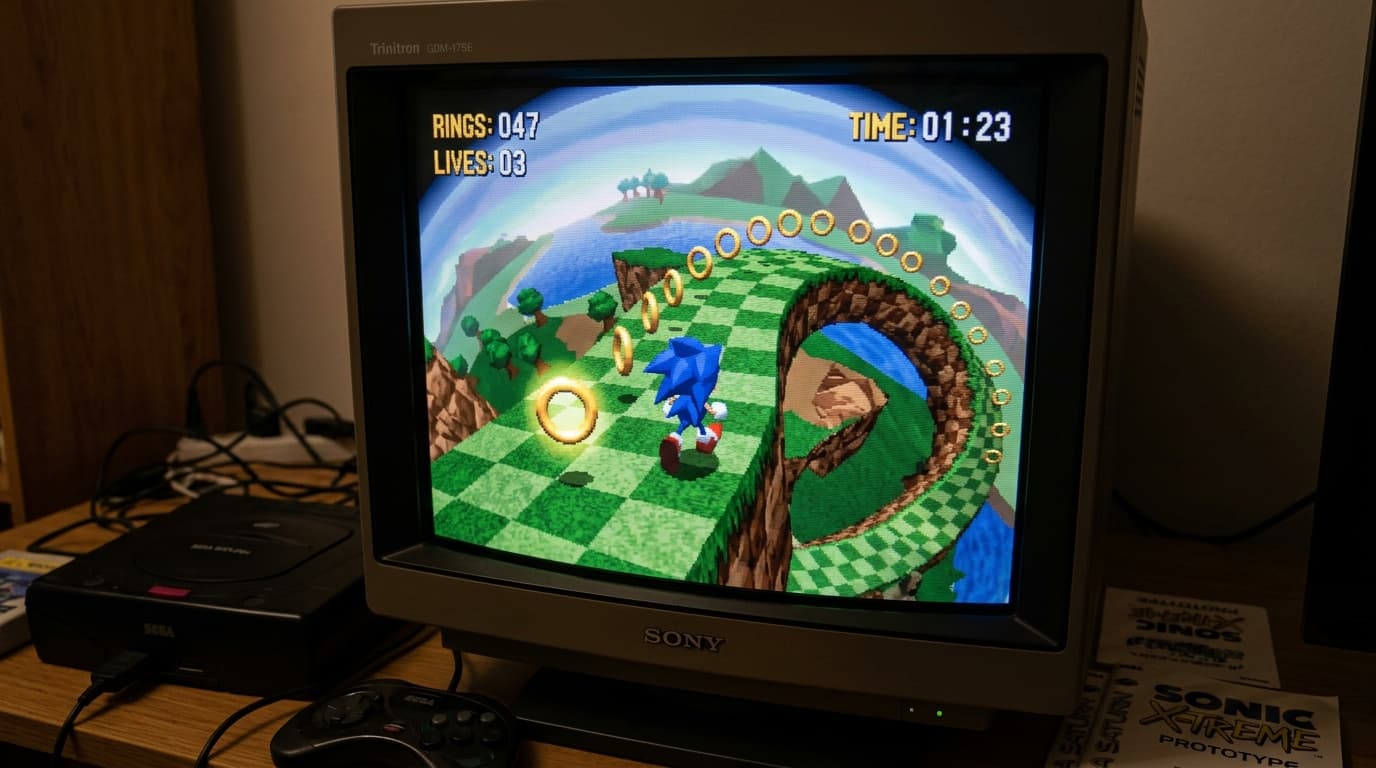
Former STI developers share footage of the lost Saturn platformer running on the proprietary engine.
When Sakaguchi, Horii, and Toriyama joined forces to craft the pinnacle of 16-bit role-playing games.
John Carmack, John Romero, and id Software's seismic technological leap that reshaped PC gaming.
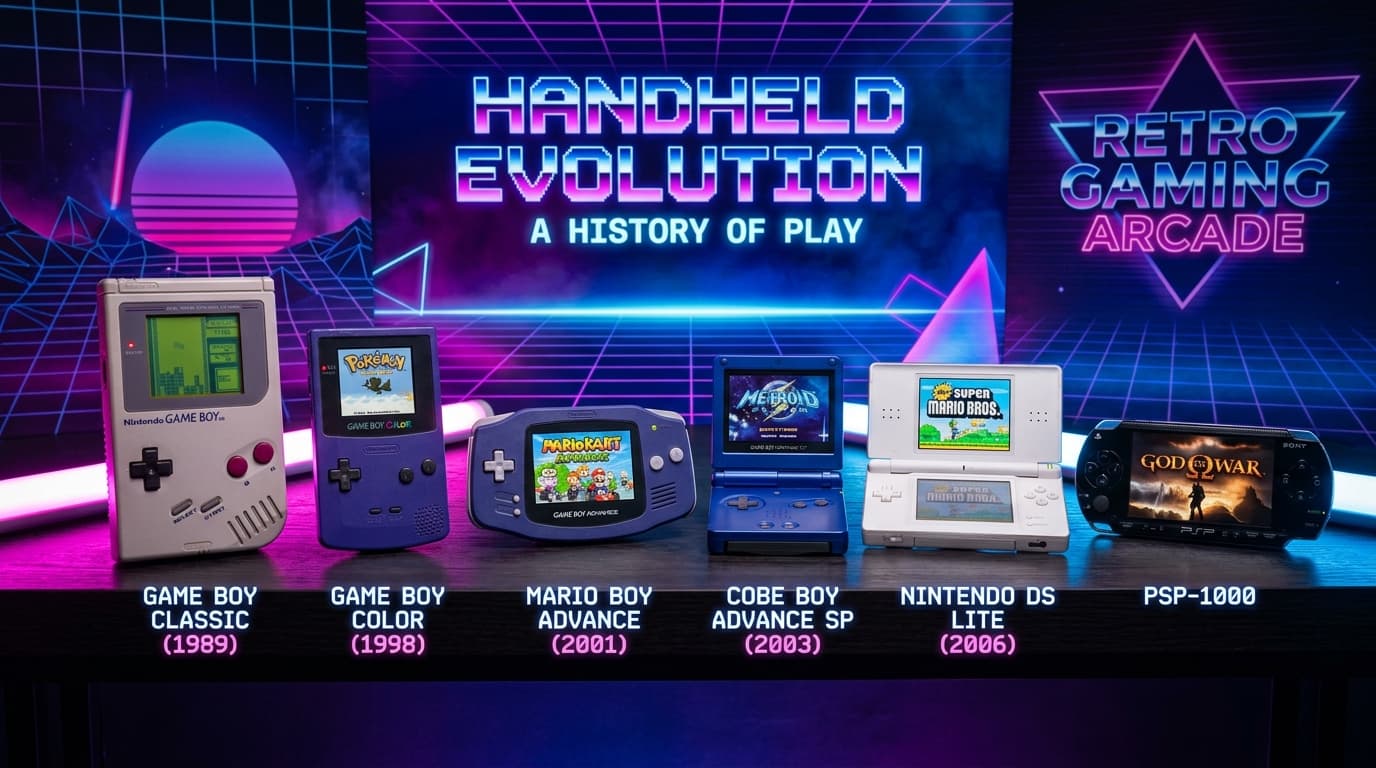
How Gumpei Yokoi's lateral thinking and long battery life conquered the color handheld market.
Dual SH-2 processors, quadrilateral rendering, and a treasure trove of Japanese arcade masterpieces.
Rareware's $80,000 SGI supercomputers, ACM pre-rendering wizardry, and how the Stamper brothers defied the dawn of 32-bit CD consoles.
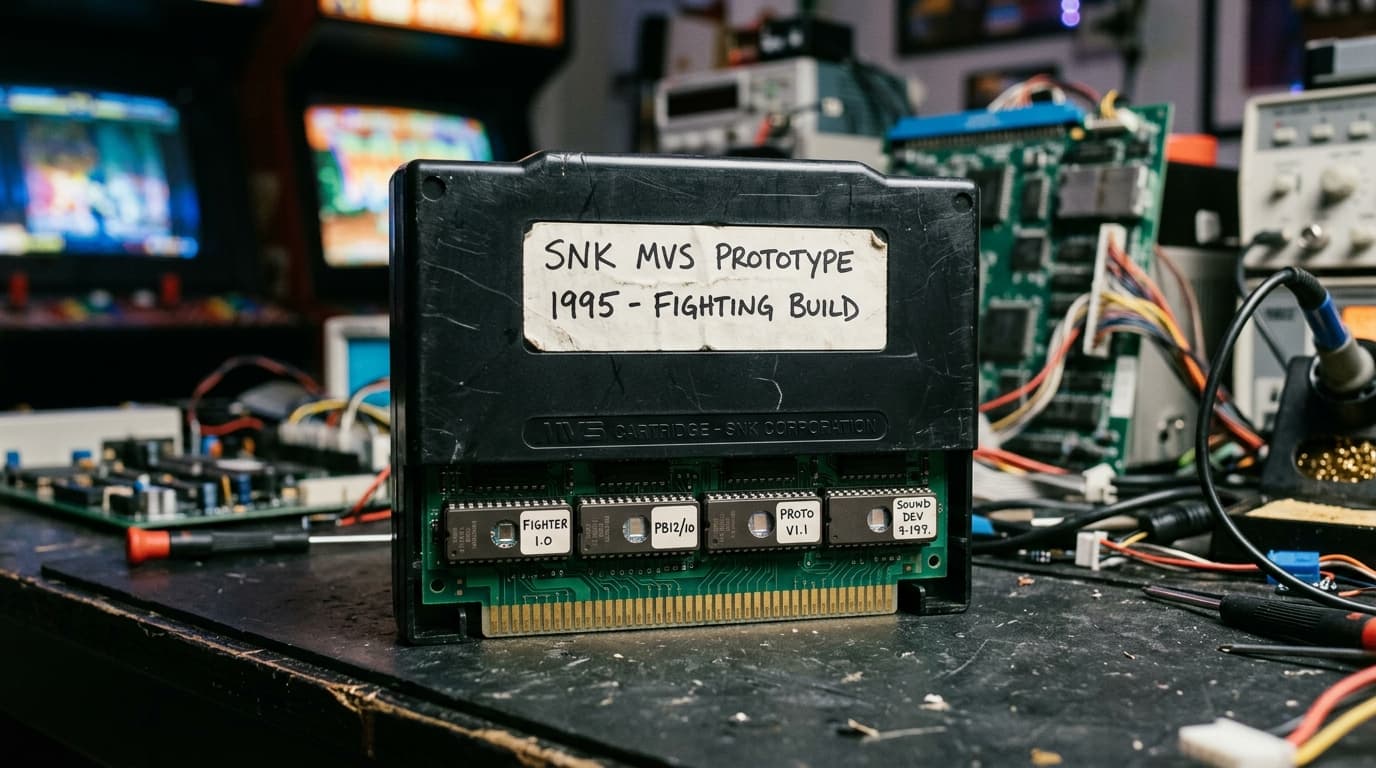
Arcade preservationists dumped a previously unknown 1995 SNK MVS arcade development board featuring unique parry mechanics.
Blast Processing, the subversive Mortal Kombat blood code, MTV rock-n-roll rebellion, and capturing 55% of the US video game market.
Low-level Z80 assembly code for artifact-free 32 kHz PCM playback on Sega Genesis hardware released to the public.
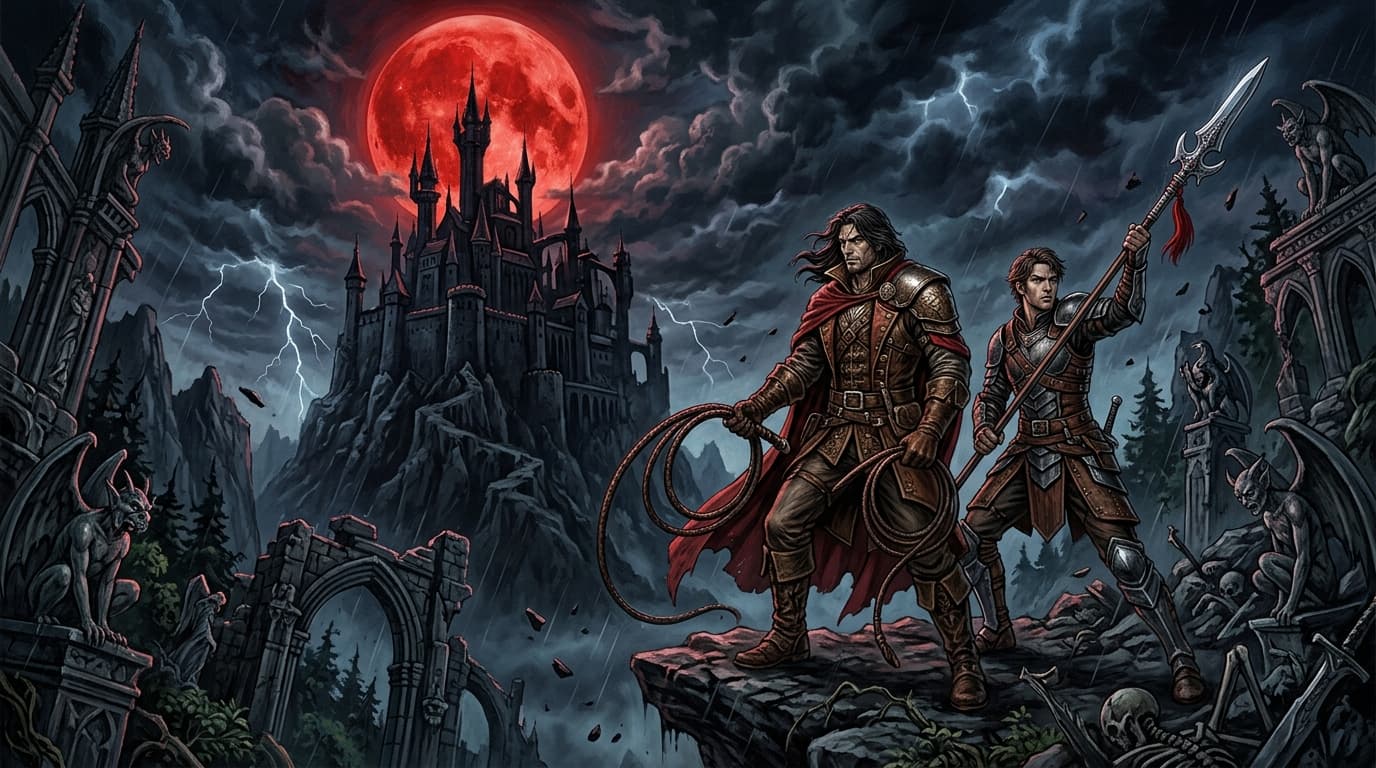
The swaying Leaning Tower of Pisa, Michiru Yamane's Gothic compositions, visceral European warfare, and pushing Mega Drive hardware to its limits.
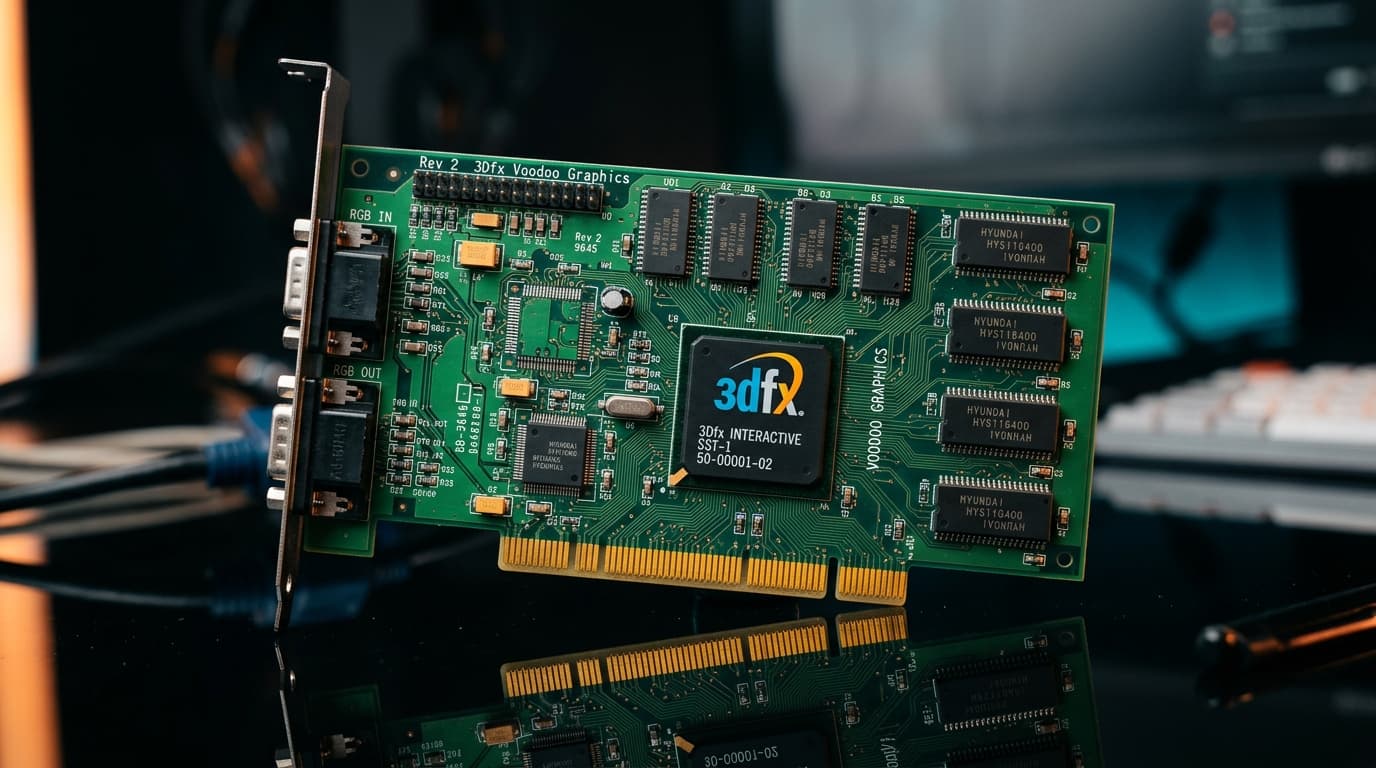
The unreleased halo GPU from 3dfx Interactive successfully renders 3D geometry via custom Glide drivers.
From software pixelation to GLQuake bilinear filtration, the triumph of the SST-1 chipset, and the tragic twilight of 3D acceleration pioneers.
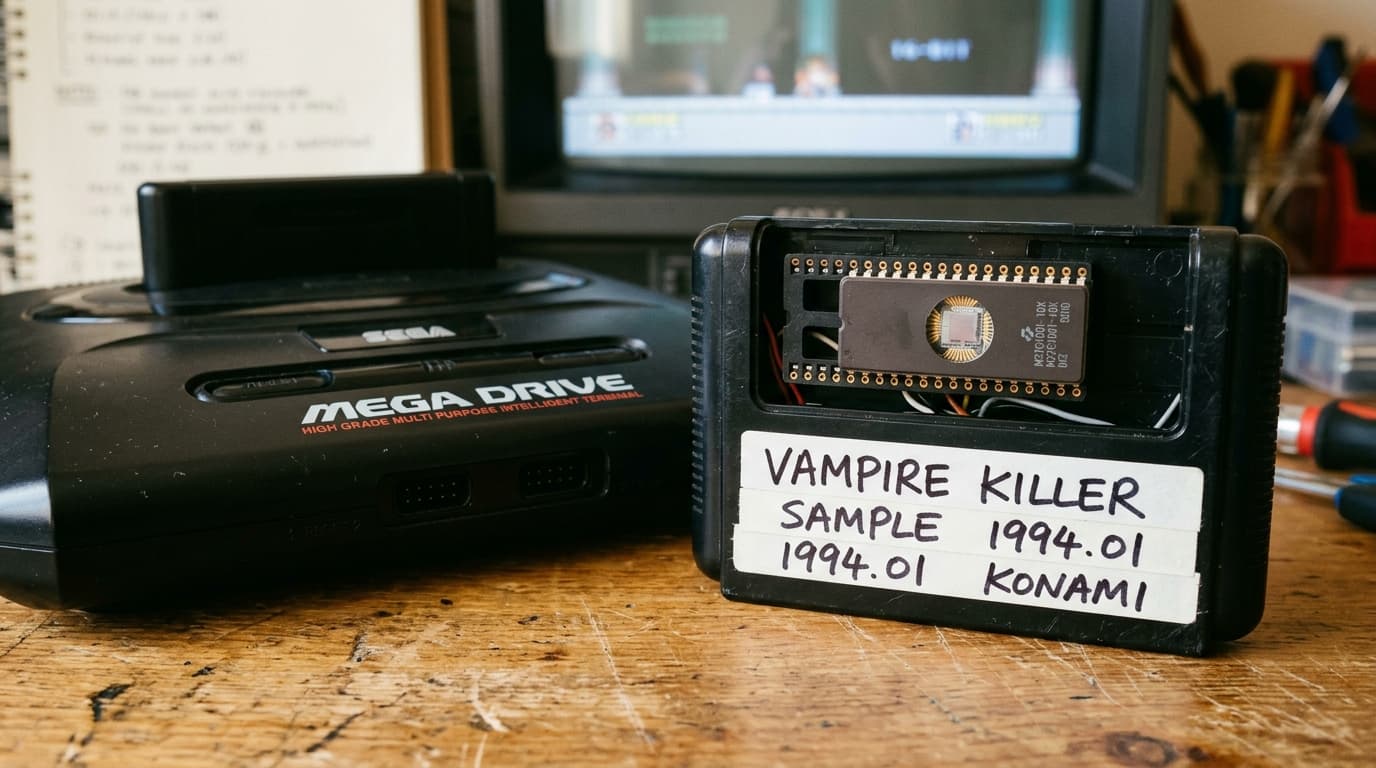
Archivists dump a January 1994 Konami review sample containing alternate Michiru Yamane compositions and uncut gore.