The Kalinske Doctrine: Four Moves Japanese Brass Deemed Insane
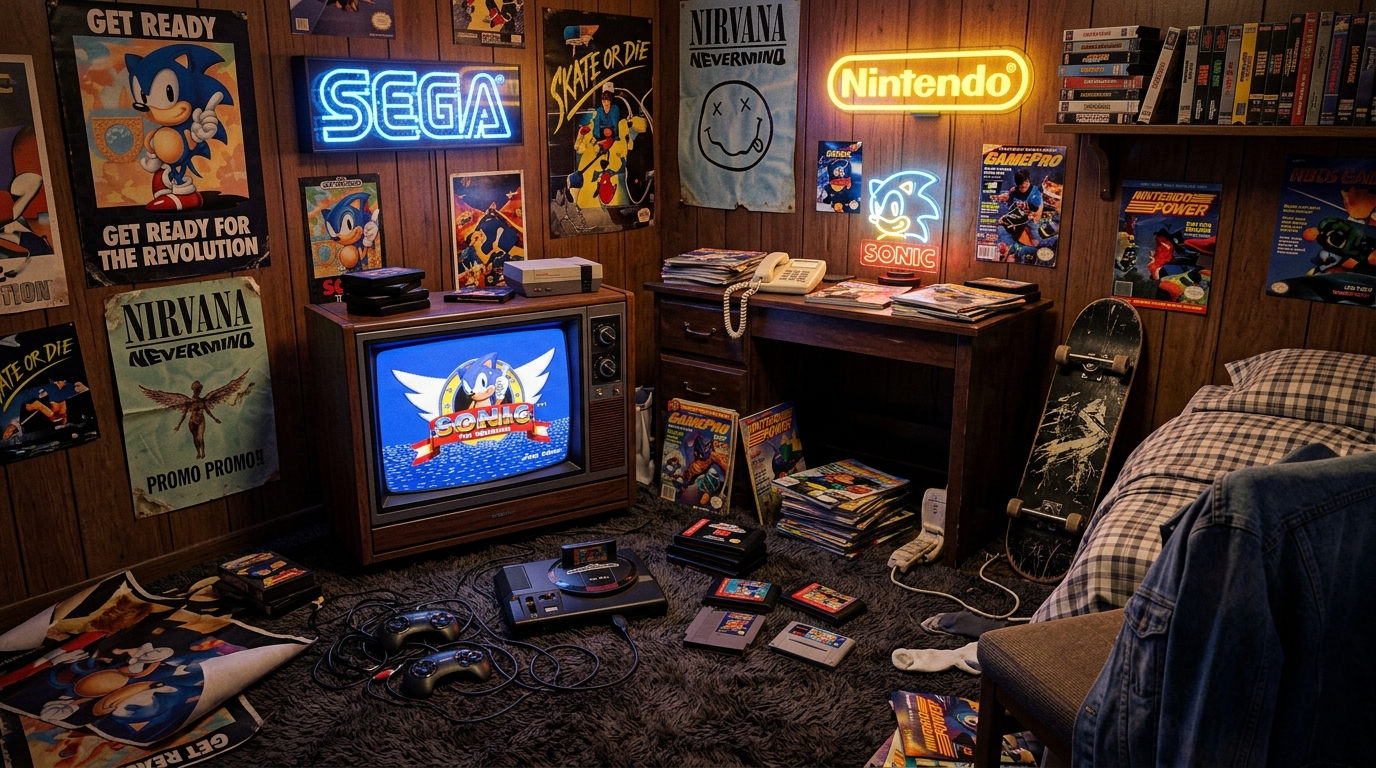
In 1990, Nintendo held a monolithic 90% stranglehold over the American gaming landscape. Recruited to lead Sega of America, former Mattel chief Tom Kalinske drafted an audacious four-point blueprint: cut hardware pricing to $149, replace pack-in Altered Beast with Sonic the Hedgehog, invest heavily in Western sports games, and mock Nintendo mercilessly on TV.
Tokyo executives considered Kalinske's proposal commercial suicide, yet CEO Hayao Nakayama gave his blessing. The resulting 'Genesis does what Nintendon't' campaign fundamentally shifted youth culture.
«We branded Mario as something for kindergarten toddlers. We told teenagers: if you play Nintendo, you're a child; if you play Genesis, you're cool». (Tom Kalinske, President of Sega of America)
Blast Processing: Anatomy of Gaming's Greatest Myth
To hammer home the hardware speed disparity, Sega unleashed the famous 'Blast Processing' television campaign, depicting high-octane drag racers obliterating a slow-moving Nintendo van.
In reality, programmer Marty Franz discovered that executing DMA transfers directly into the video display processor during active scanlines bypassed normal palette transfer limits. Marketing took this hardware nuance and spun it into legendary marketing folklore.
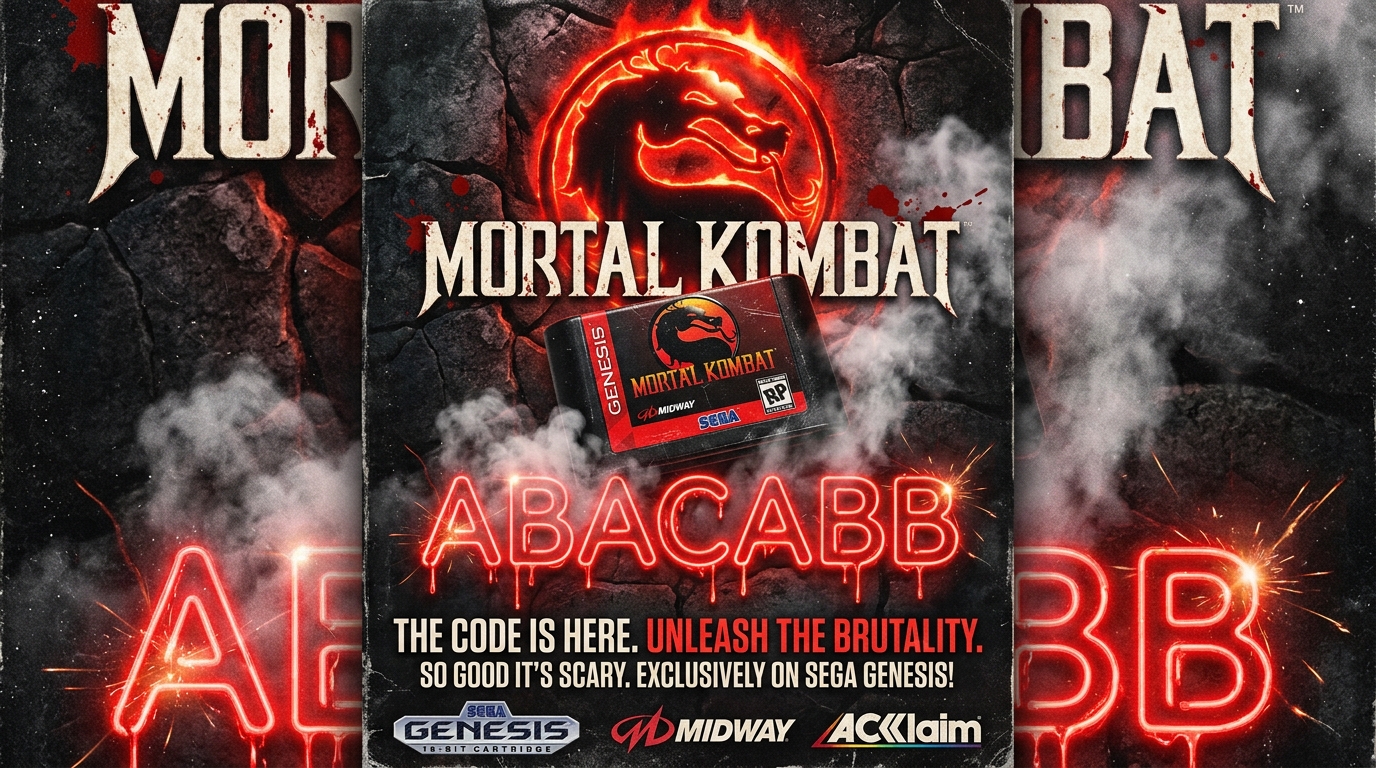
The 1993 US Senate Hearings and the Birth of the ESRB
The console war reached fever pitch with the September 1993 release of Mortal Kombat. Nintendo sanitized their cartridge by replacing blood with sweat and removing decapitations. Sega shipped the game with grey sweat, but embedded the immortal cheat code 'ABACABB' to unlock uncut gore.
The Genesis version outsold SNES five-to-one, triggering contentious US Senate hearings chaired by Joe Lieberman and Herb Kohl. Facing federal regulation, console makers united to form the Entertainment Software Rating Board (ESRB) in 1994.
«Video games are crossing the line into gratuitous digital violence. If the industry fails to police itself, Congress will act». (Joe Lieberman, United States Senator)
The Price of Victory: How US Domination Fractured Sega from Within
By holiday 1993, Sega commanded an astonishing 55% of the US market. Yet that unprecedented triumph sowed bitter institutional jealousy in Tokyo headquarters.
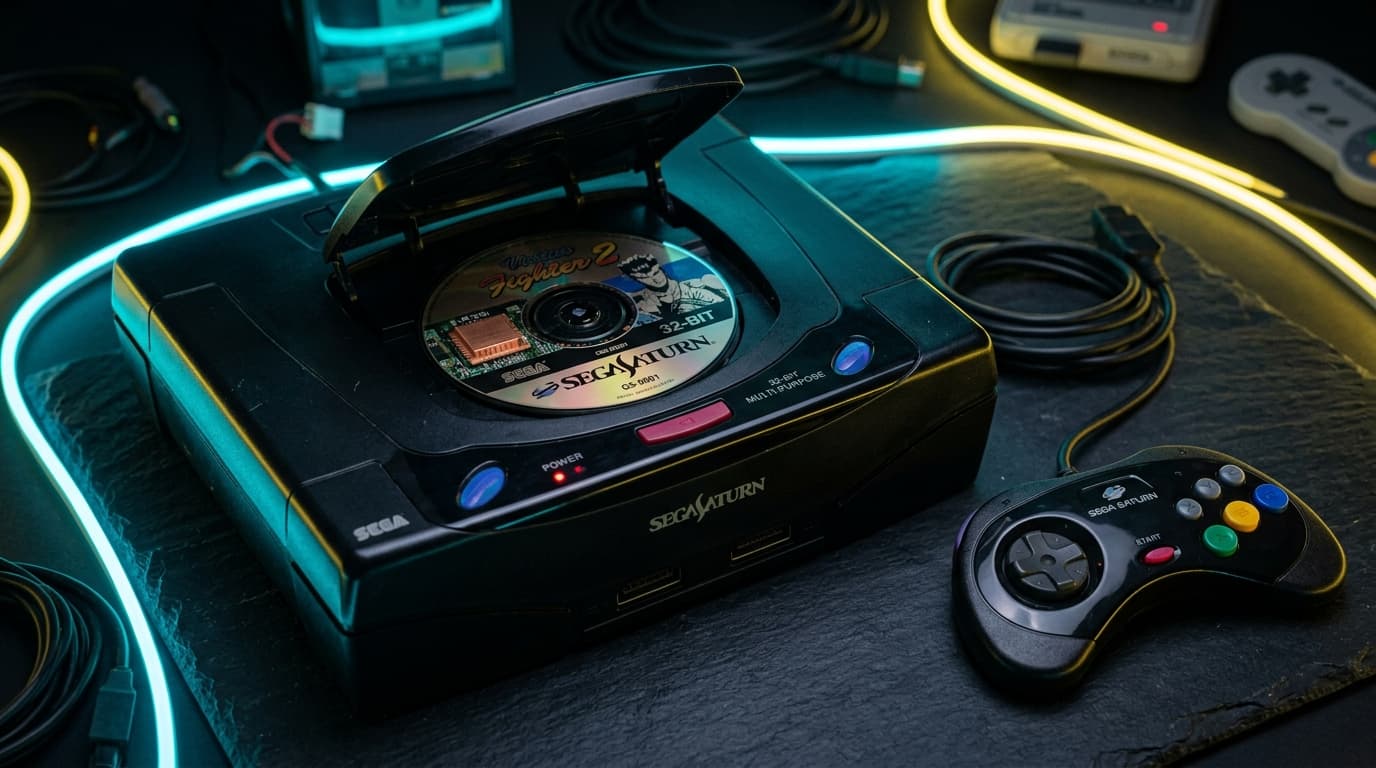
Rather than cementing market dominance, Japanese leadership fractured the brand with the ill-fated Sega CD and 32X, culminating in the botched 1995 stealth launch of the Sega Saturn, ultimately squandering the hard-won empire.