Wavetable SNES vs Sega FM: The Clash of Audio Philosophies
During the height of the 16-bit console wars, two starkly opposed audio philosophies collided. Super Nintendo relied on the Sony SPC700 wavetable coprocessor, playing back compressed sample recordings with lush interpolation and rich reverberation, yet hobbled by a punishing 64 KB RAM ceiling.
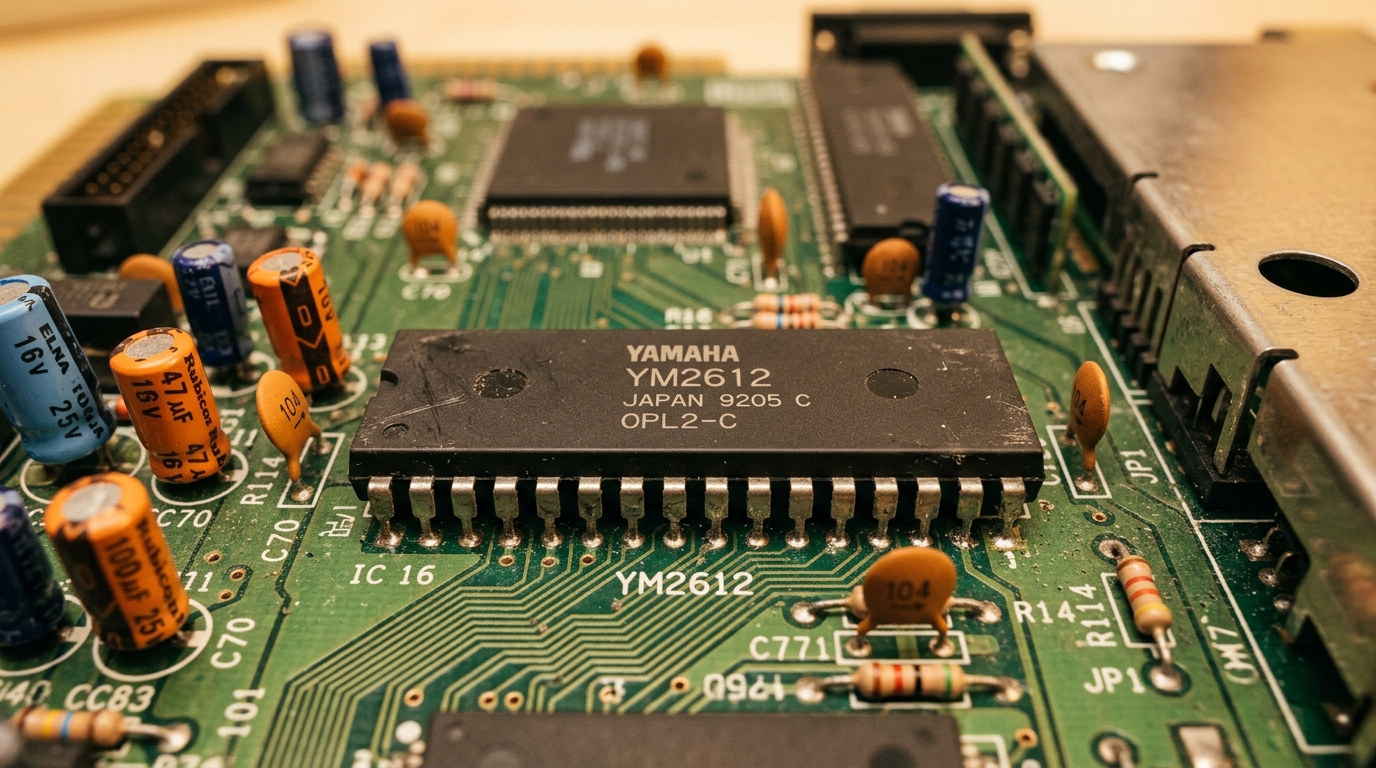
Sega took the opposite route by outfitting the Mega Drive with Yamaha's YM2612 (OPN2) frequency modulation synthesizer. It stored no instrument samples; instead, it generated sound in real-time through phase-modulating sine waves, delivering raw, aggressive punch.
«FM synthesis never attempted to mimic traditional acoustic instruments; it unleashed fiery synthetic harmonics never heard in nature». (Hiroshi Kubota, Chief Engineer Yamaha LSI)
Six Operators & Channel Six as a Direct PCM DAC
Each of the YM2612's six voices featured four operators combined across eight distinct algorithmic configurations. By routing operators into feedback loops, composers synthesized biting slap-bass attacks and razor-sharp brass stabs.
Crucially, Channel 6 featured an internal register that disabled FM computation and converted the voice into a direct 9-bit digital-to-analog converter (DAC), enabling developers to stream voice samples and digitized drum kits.
Yuzo Koshiro: Scoring Masterpieces in Pure Hexadecimal Code
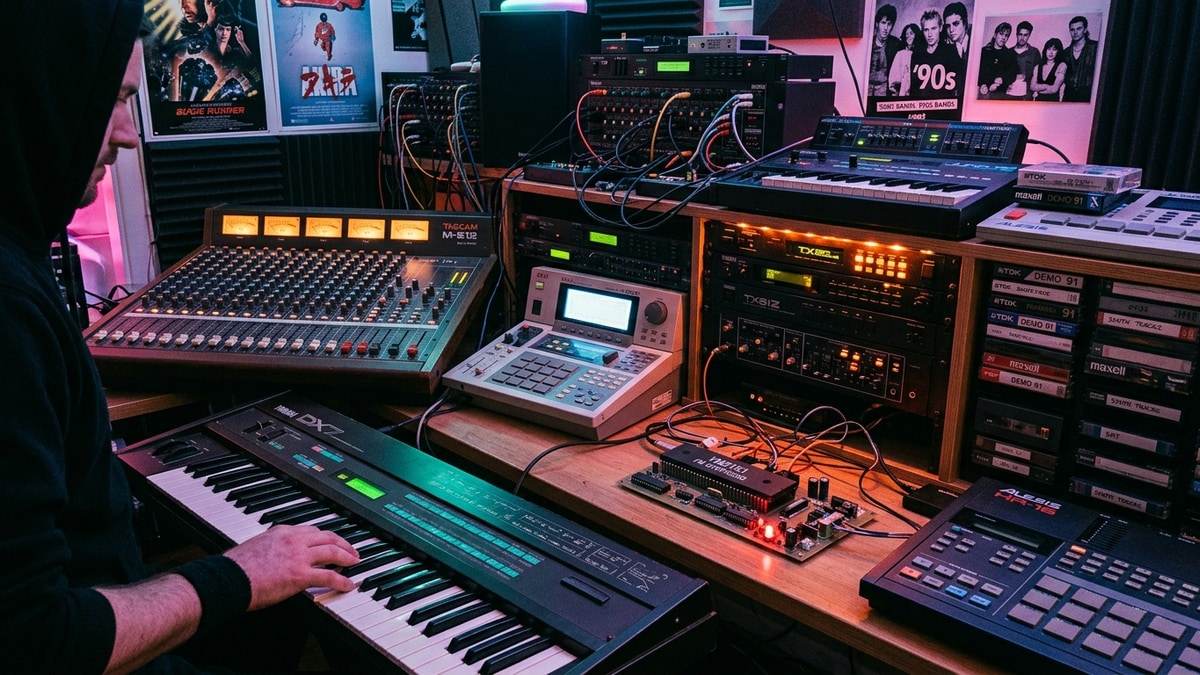
Frustrated by standard middleware drivers, young composer Yuzo Koshiro engineered a custom Music Macro Language driver, entering note values and operator parameters directly in raw hexadecimal assembly code on a NEC PC-8801.
For Streets of Rage 2, Koshiro programmed the Z80 to interleave PCM drum hits with thunderous sub-bass, delivering an uncompromising club soundtrack that validated the Genesis as a premier electronic music synthesizer.
«I programmed the Streets of Rage scores directly in assembly code. That was the only way to compel the YM2612 to produce genuine warehouse rave energy». (Yuzo Koshiro, Legendary Video Game Composer)
Why Different Mega Drive Revisions Sound Radically Different
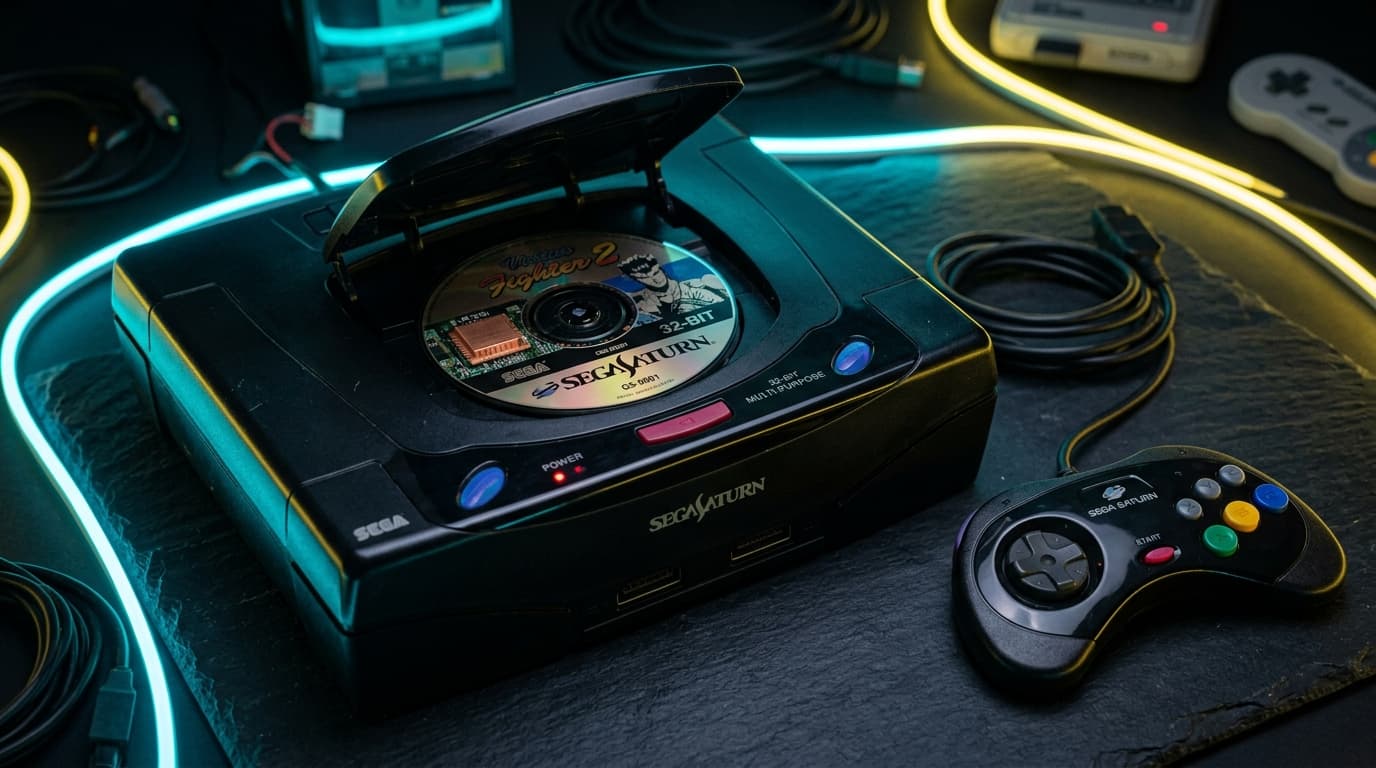
Audio purists know that different Genesis revisions sound wildly divergent. Early Model 1 units featured discrete operational amplifiers producing crisp, open frequency response.
By contrast, cost-reduced Model 2 boards unified the audio chip into a central ASIC paired with an aggressive low-pass filter, resulting in muffled sound and giving rise to the modern 'Mega Amp' and 'Triple Bypass' modding culture.