The Sweet Home Lineage: From 8-Bit Famicom Horror to Spencer Mansion
In 1993, veteran Capcom producer Tokuro Fujiwara commissioned young director Shinji Mikami to engineer a spiritual successor to their 1989 Famicom horror RPG Sweet Home. That 8-bit landmark contained every foundational genre trope: a haunted mansion, item rationing, and first-person door opening transitions.
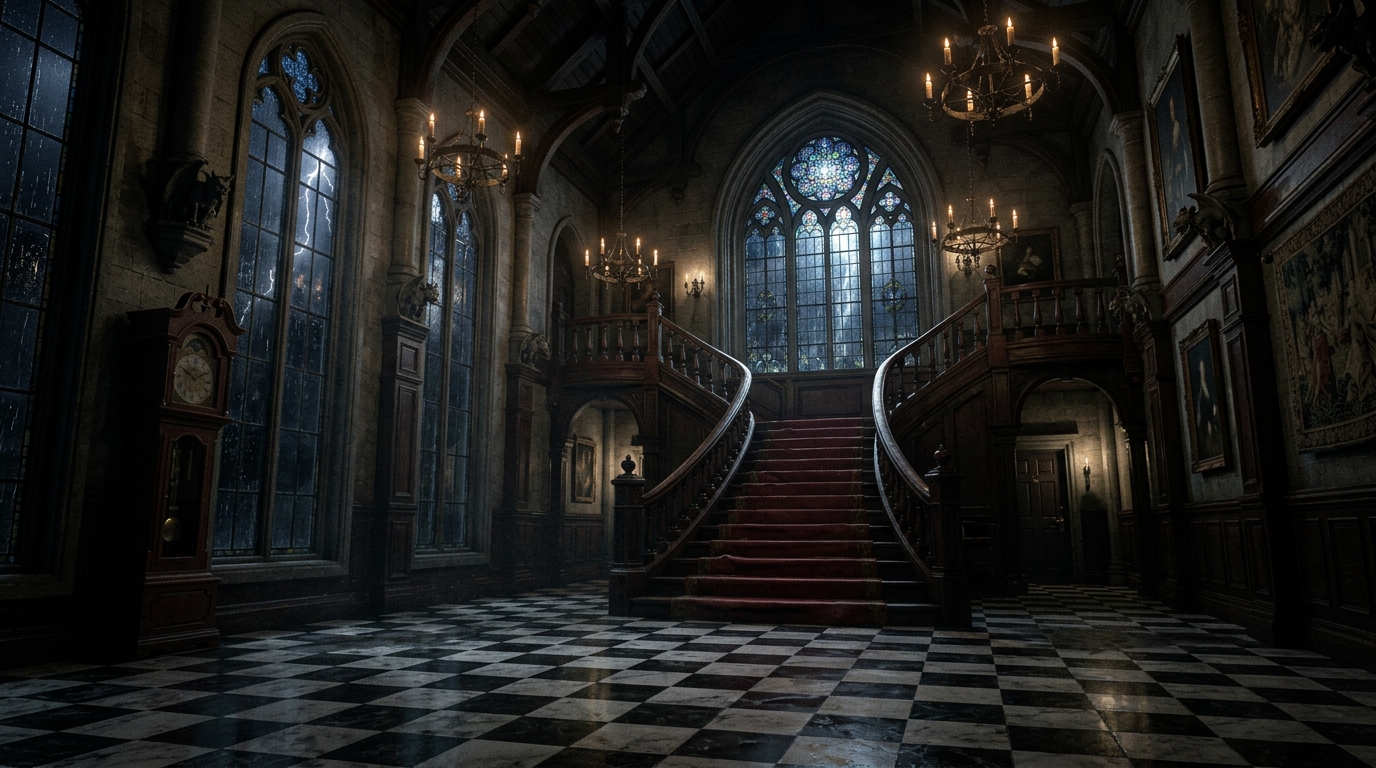
Infusing George Romero's zombie cinema with Stanley Kubrick's The Shining, Mikami conceived the puzzle-box Spencer Mansion in the Arklay Mountains, inventing the term 'Survival Horror' and revolutionizing cinematic gaming.
«My goal was instilling visceral fear for one's life. The terror had to emerge organically from vulnerability and scarce ammunition». (Shinji Mikami, Director of Resident Evil)
Abandoning First-Person: The Genius of Fixed Hitchcockian Angles
Early prototypes utilized a first-person perspective, but the PlayStation 1 processor struggled to render detailed 3D rooms with dynamic furniture. Taking cues from Frédérick Raynal's Alone in the Dark, Mikami embraced a radical compromise.
Rooms were pre-rendered into high-resolution 2D backdrops while the PlayStation rendered only real-time polygonal characters and monsters. Fixed camera angles unlocked Hitchcockian suspense: players heard the wet footsteps of a zombie around a blind corner without seeing it until stepping into the frame.

B-Movie Live-Action and the Immortal 'Jill Sandwich' Voice Acting
The 1996 debut achieved cult notoriety for its live-action intro and charmingly earnest B-movie voice acting. Lines like Barry Burton's 'You were almost a Jill sandwich!' and 'Master of unlocking' entered gaming lexicon.
Yet behind the camp dialogue lay suffocating dread: Masami Ueda's minimalist piano melodies, the creak of floorboards, and the sheer panic of facing the first zombie.
Creaking Doors as CD-ROM Buffering: Anatomy of a Masterful Trick
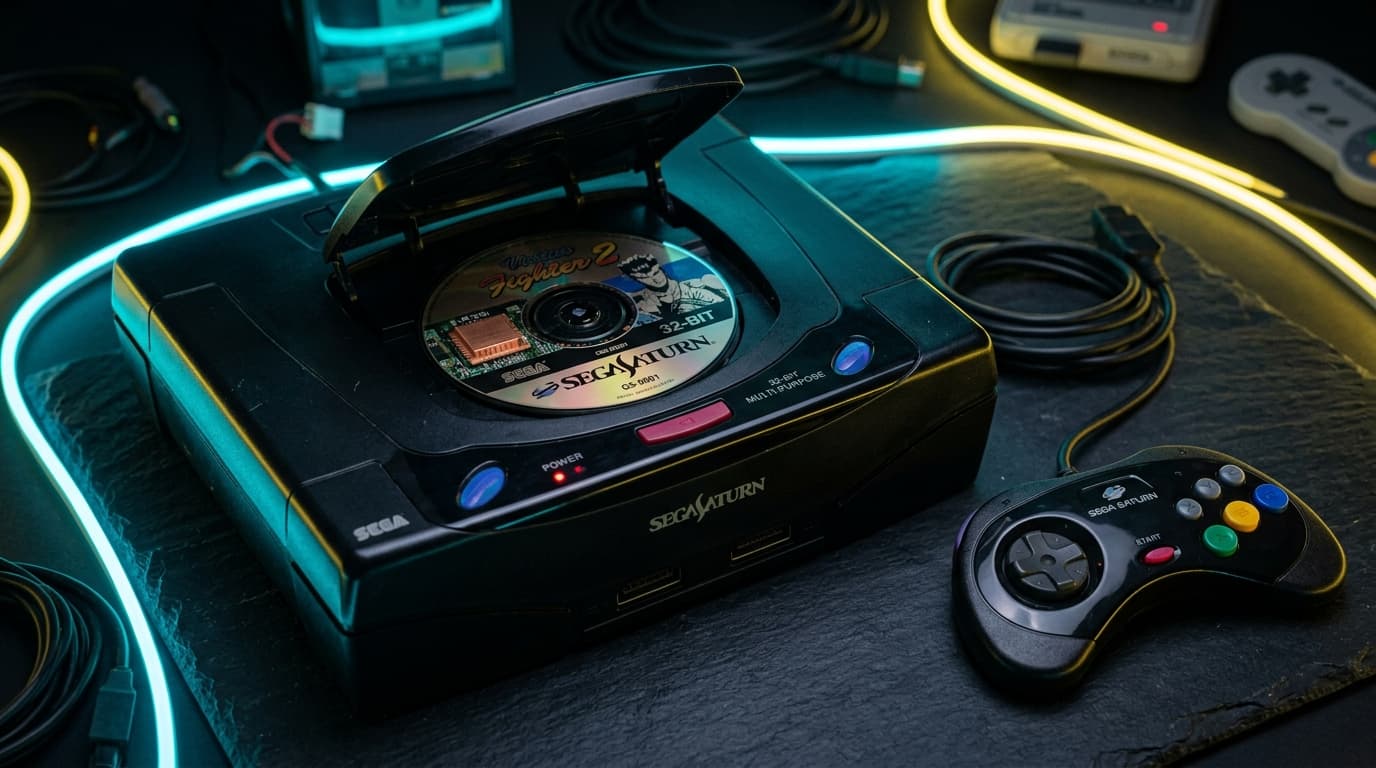
The iconic creaking door animation between rooms was born of strict technical necessity. The PlayStation's 2x CD-ROM drive transferred data at a meager 300 KB/s, struggling to load room geometry seamlessly.
Capcom engineers disguised this buffering lag with a five-second first-person door animation. What began as a hardware workaround became gaming's most celebrated suspense mechanic, turning Resident Evil into an immortal legend.
«The doors did not open slowly for drama; the drive was simply too slow. Hardware constraints gifted us our finest directorial trick». (Tokuro Fujiwara, General Producer Capcom)