From Alien Stargates to the Chernobyl Exclusion Zone
When Ukrainian developer GSC Game World announced Oblivion Lost in early 2001, the project bore zero resemblance to post-Soviet apocalypse. It was conceived as an interplanetary sci-fi actioner featuring hovering gunships and Aztec temples.
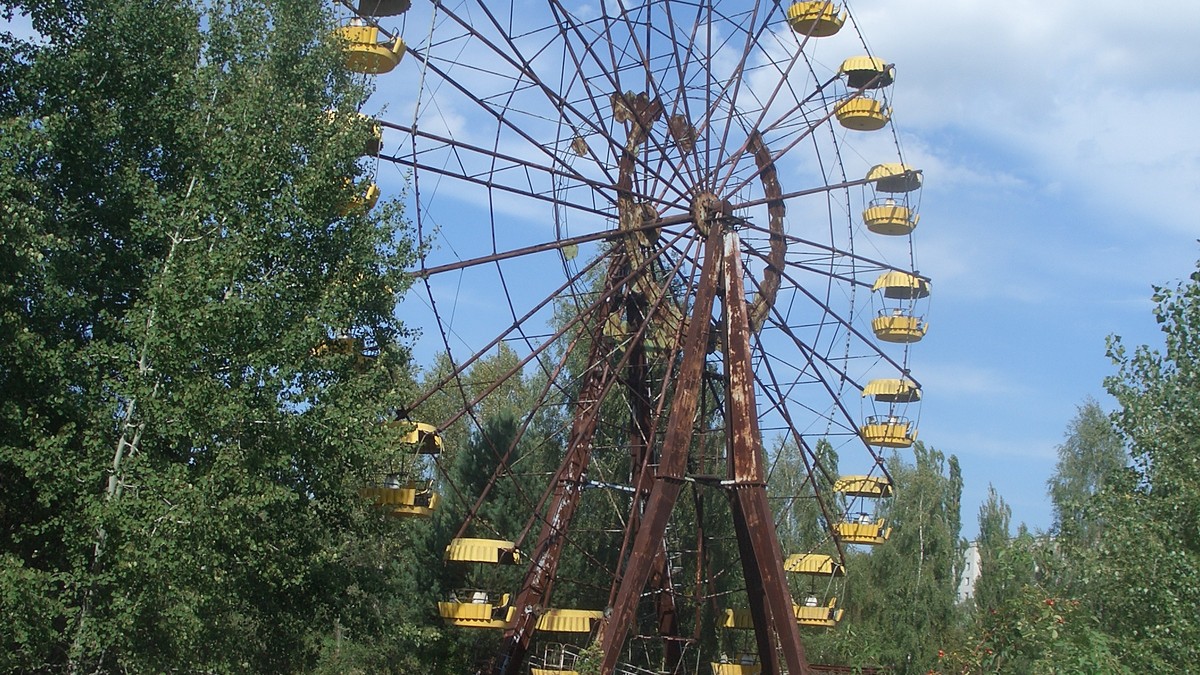
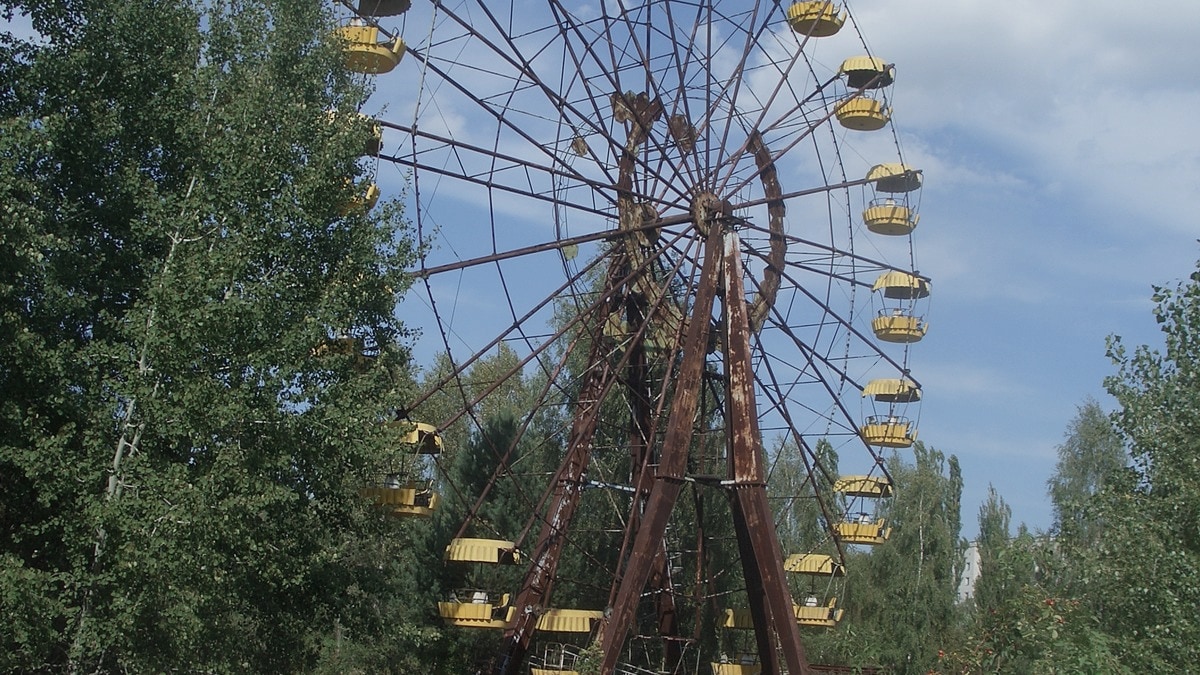
Everything transformed in March 2002 when Sergiy Grygorovych led his developers on an expedition into the quarantined Chernobyl Exclusion Zone. Beholding the rusted Ferris wheel of Pripyat and the concrete Reactor No. 4 sarcophagus, alien fiction was abandoned in favor of Tarkovsky's Stalker and Roadside Picnic.
«Our expedition to Pripyat inverted our creative compass. No fictitious alien world could match the chilling dread of that abandoned nuclear city». (Sergiy Grygorovych, Founder of GSC Game World)
Autonomous A-Life: Why AI Stalkers Completed the Game First
The crowning ambition was the A-Life engine engineered by lead programmer Dmitriy Iassenev. Forsaking scripted triggers, the simulation tracked hundreds of autonomous stalkers and mutants across the entire world concurrently.
Stalkers dynamically traded, fought packs of pseudodogs, and rested by campfires. However, an unpredicted dilemma arose: unhindered by player delays, AI stalkers collected quest items and breached the Chernobyl Sarcophagus before the player even reached the mid-game.
Build 1935: Museum of Unfulfilled Ambition and Modding Grail
Compiled on October 18, 2004, Build 1935 represents the zenith of the mythical 'Old Good Stalker'. It showcased gargantuan seamless open territories: the Cordon flowed naturally into Dead City, and players navigated cracked asphalt in drivable Soviet Niva jeeps.
The build featured iconic cut monsters: the hunchbacked Izlom, telepathic Burer, and weeping Dwarf. Yet the engine choked on contemporary hardware, crashing relentlessly.
The Arrival of Dean Sharpe: Surgical Amputation for Release
Exasperated by endless delays, publisher THQ dispatched troubleshooter producer Dean Sharpe to Kyiv in 2005 with a strict ultimatum: deliver a working product by early 2007 or face total cancellation. Sharpe enforced ruthless triage.
Drivable vehicles were excised, seamless levels cleaved into distinct gated zones, and A-Life tethered to the player's immediate perimeter. While heartbreaking to GSC veterans, this surgical intervention saved the game, culminating in the historic March 2007 debut of S.T.A.L.K.E.R.: Shadow of Chernobyl.
«In our early A-Life builds, stalkers were so unchained that they finished quests before the player arrived. We had to restrain their autonomy to save the game». (Dmitriy Iassenev, Lead AI Architect at GSC)