MVS and AES: Identical Silicon for Coin-Op Cabinets and the Living Room
In 1990, while Genesis and Super Nintendo owners made do with compromised home conversions featuring missing frames and muted color palettes, Osaka-based arcade titan SNK orchestrated an uncompromising revolution.
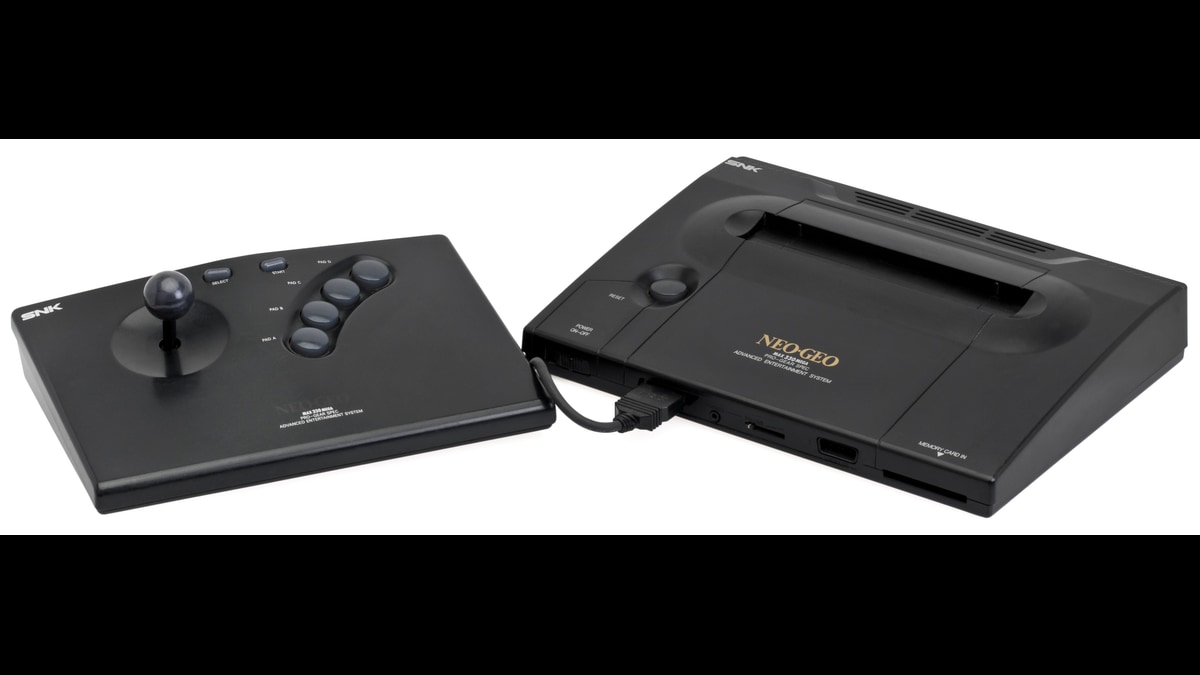
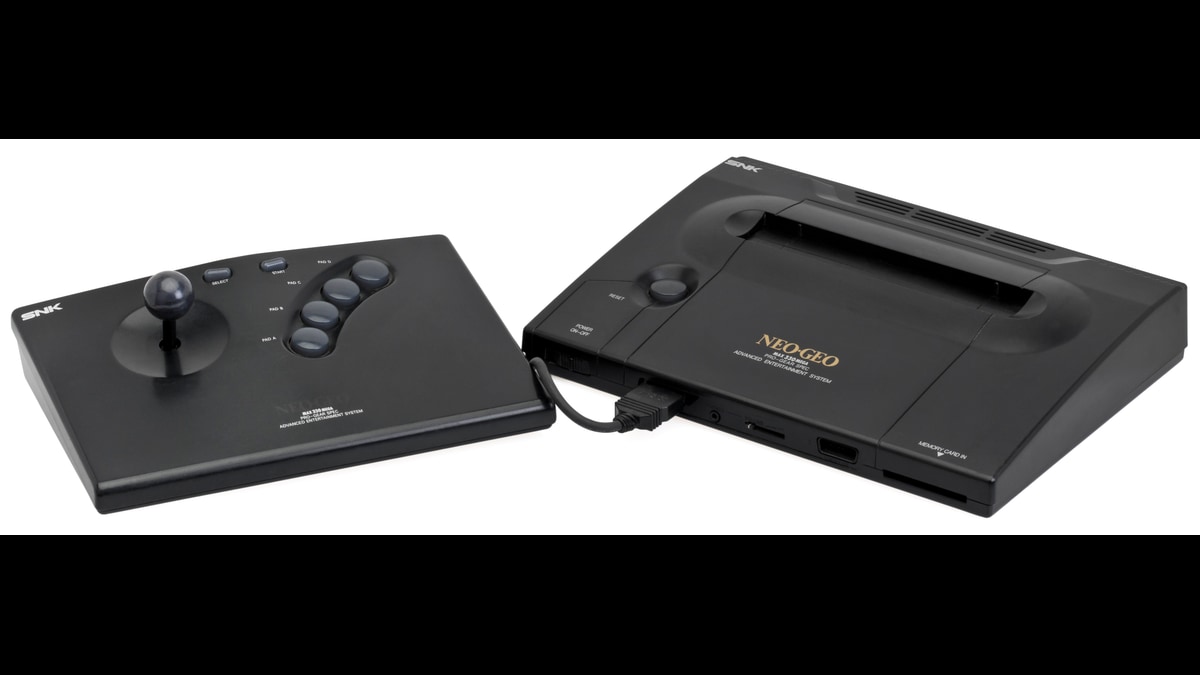
SNK president Eikichi Kawasaki decreed that their home system would house the identical silicon powering their Multi Video System (MVS) commercial arcade cabinets. Dubbed the Advanced Entertainment System (AES), it delivered unadulterated 100% arcade perfection into living rooms with genuine Yamaha YM2610 stereo audio.
«We refused to make diluted home conversions. The consumer received the exact coin-op silicon powering the premier arcade clubs of Akihabara». (Eikichi Kawasaki, Founder and President of SNK)
Zero Polygons: 380 Sprites Per Frame and Hardware Sprite Shrinking
The Neo Geo's architecture wholly eschewed 3D polygons and traditional static tiled backgrounds. The custom LSPC2-A2 raster video processor drew everything—from character fighters to panoramic scenery—exclusively through vertical sprite strips measuring 16 pixels wide by up to 512 pixels high.
The hardware manipulated up to 380 individual sprites concurrently with real-time hardware scaling. This enabled legendary visual feats like Art of Fighting's dynamic zoom camera, smoothly pulling back to reveal gigantic, meticulously shaded martial artists.
The $200 Cartridge: Dual Internal PCBs and Megabit Giants
Neo Geo cartridges resembled heavy VHS videocassette monoliths weighing over a pound apiece. Internally, each cartridge housed two complete printed circuit boards: the PROG board for execution code and audio, and the CHA board for sprite tile data.
While contemporary SNES cartridges capped at 8 to 16 Megabits, Neo Geo releases flaunted the iconic 'MAX 330 MEGA - PRO-GEAR SPEC' badge, later cresting 716 Megabits in the GIGA POWER era. Premium hardware demanded premium prices: cartridges retailed from $199 to $299 each, cementing the AES as the ultimate plaything of high-rollers.
Timeless Legacy: Metal Slug, Fatal Fury, and SNK's Unyielding Spirit
Unrivaled 2D compute muscle fostered timeless masterpieces. Nazca Corporation's Metal Slug series elevated pixel art into sublime kinetic slapstick with fluidly animating dieselpunk tanks and explosive frame counts.
Simultaneously, The King of Fighters, Fatal Fury, and Samurai Shodown cultivated passionate fighting game communities. The Neo Geo AES remained in production for an astounding 14 years until 2004, standing today as the holy grail of retro game collecting.
«Illustrating Neo Geo sprites was artisanal handcraft. We spent hundreds of frames of animation refining a single sword flourish in Samurai Shodown». (Shiro Maekawa, Lead Animator at SNK)