Gunpei Yokoi: Toymaker Genius and Inventor of the D-Pad
Gunpei Yokoi joined Nintendo in 1965 to maintain machinery manufacturing hanafuda playing cards. Spotting the engineer's playful contraptions, legendary president Hiroshi Yamauchi promoted him to helm research and development arm R&D1.
Yokoi created the smash-hit Game & Watch pocket LCD line and invented the directional D-Pad cross—an ergonomic standard still foundational today. His governing design ethos was 'Lateral Thinking with Withered Technology' (Kareta Gijutsu no Suihei Shikō): finding novel gameplay applications using mature, inexpensive, bulletproof components.
«Withered technology does not imply obsolescence. It means reliable, affordable, mass-produced silicon that unlocks accessible wonders». (Gunpei Yokoi, Creator of the Game Boy)
Defying the Engineers: Why Color Displays Would Have Killed the Machine
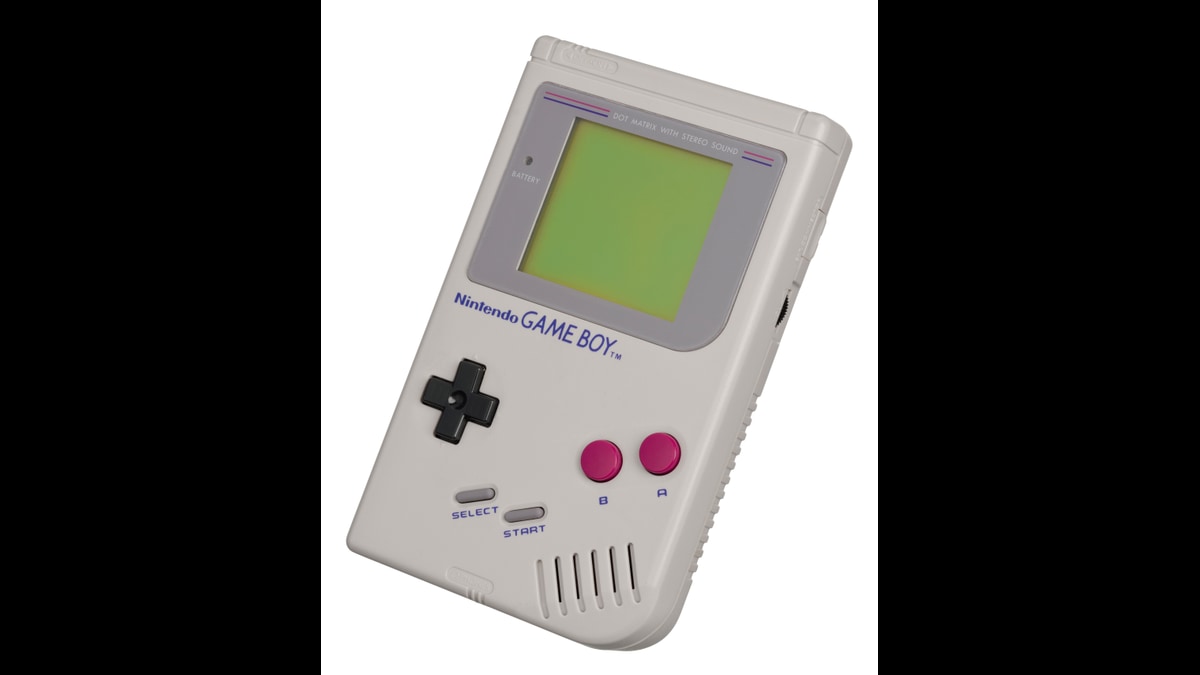
Developing the Dot Matrix Game in the late 1980s, younger engineers lobbied ferociously for backlit color LCD panels. Yokoi flatly vetoed them.
He understood mobile realities: contemporary color active-matrix displays drained batteries in two hours while inflating retail pricing. Yokoi chose a reflective monochrome Sharp STN display. Rivals like Sega Game Gear and Atari Lynx boasted full color but burned through six AA batteries in under three hours; Game Boy soldiered on for 35 hours on four AAs.
Henk Rogers, Alexey Pajitnov, and the Cold War Race for Tetris
Software made the hardware irresistible. Nintendo originally prepared Super Mario Land as the system pack-in. But Dutch games entrepreneur Henk Rogers braved Soviet Moscow in 1989, securing international handheld rights to Alexey Pajitnov's addictive puzzle game Tetris from Soviet agency Elektronorgtechnica (ELORG).
Rogers persuaded Minoru Arakawa: 'Pack Mario, and young boys buy it. Pack Tetris, and everyone from corporate executives to grandparents will buy it.' Tetris elevated the handheld into an omnipresent cultural lifestyle accessory.
«When I walked the snowy streets of Moscow in 1989 for Tetris, I knew this software was destined for the pocket of every human on Earth». (Henk Rogers, Chairman of The Tetris Company)
The Gulf War Survivor: The Charred Game Boy That Kept Playing
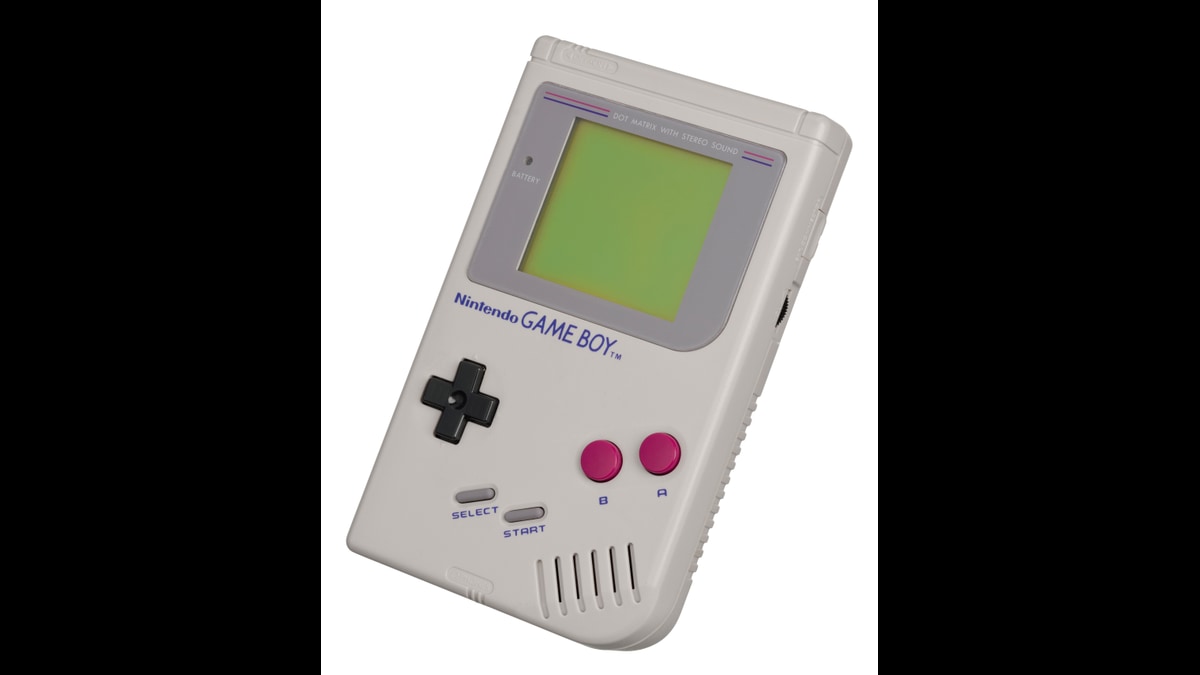
The physical resilience of Yokoi's design entered folklore during the 1991 Gulf War. Stationed in Saudi Arabia, military medic Stephan Scoggins kept a Game Boy in his barracks. During an airstrike, the barracks was incinerated.
Searching the smoldering wreckage, Scoggins recovered his melted, carbonized Game Boy. On a whim, he popped in fresh AAs and flicked the switch: the startup chime pinged, the LCD lit up, and Tetris booted perfectly. The charred survivor stood on display for decades at the flagship Nintendo World Store in Rockefeller Center.