The Paper Window to Distant Worlds
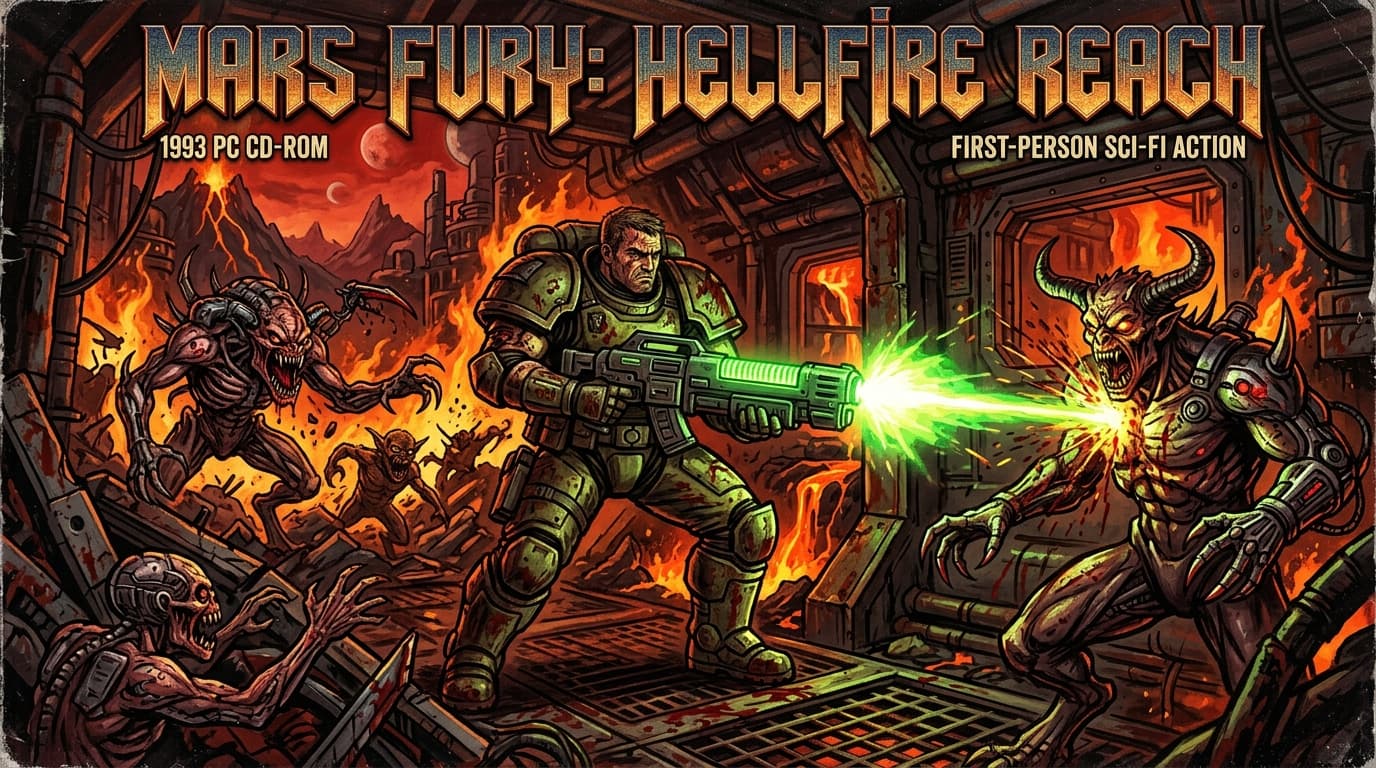
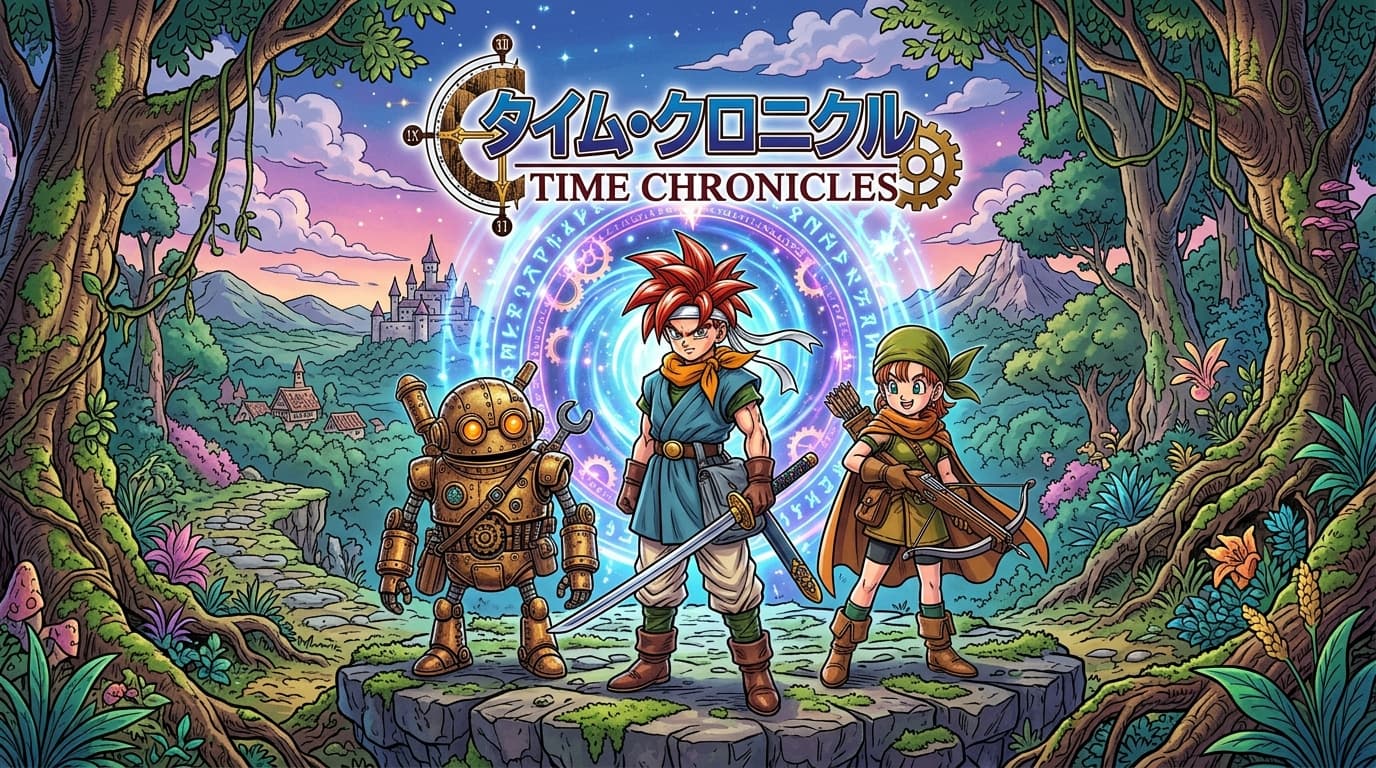
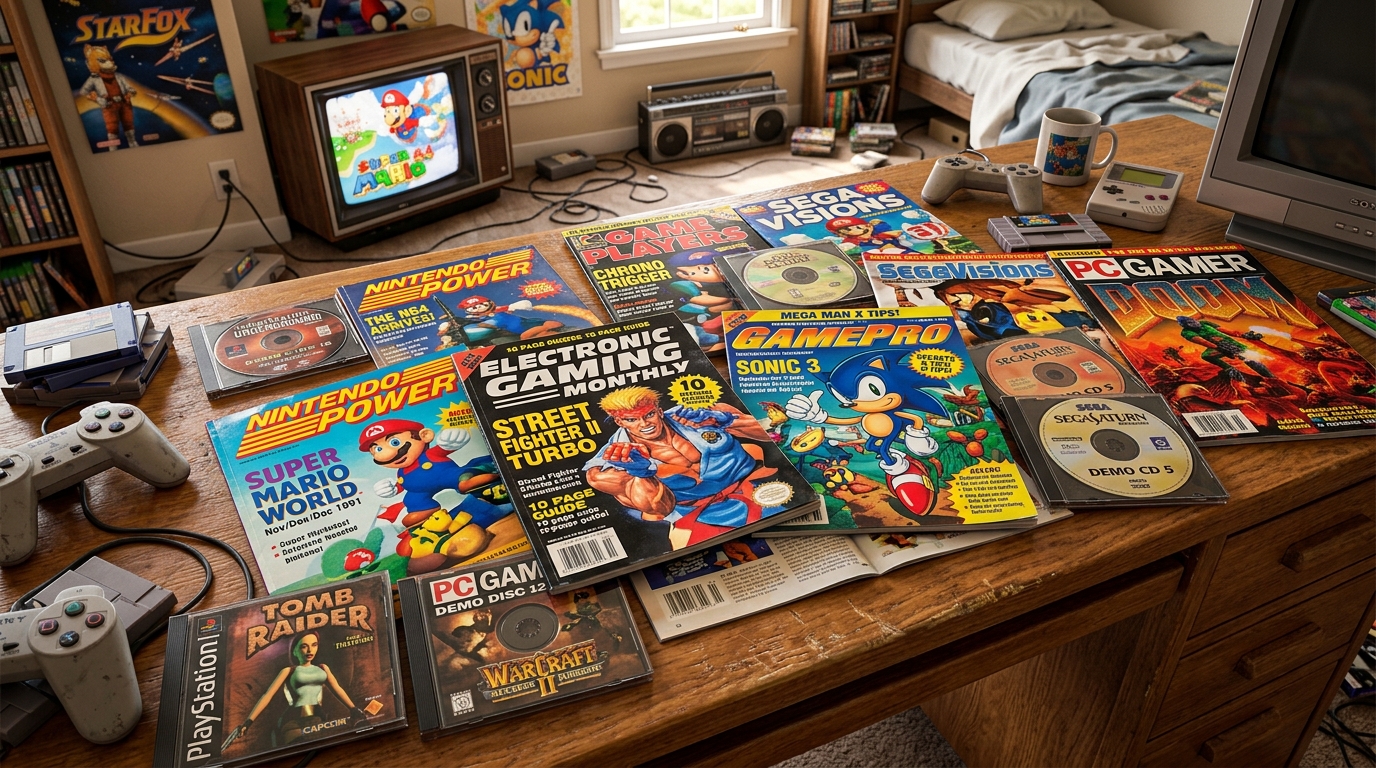
Before the era of Twitch streams and ubiquitous 4K trailers, the sole conduit between gamers and the cutting edge of electronic entertainment was the physical weight of glossy paper. Once a month, new issues of Electronic Gaming Monthly, Nintendo Power, or Edge represented seismic cultural events. Readers scrutinized thumbnail screenshots under magnifying glasses, decoding pixelated glimpses of unreleased Japanese epics.
Games journalists of the 1990s were intrepid cartographers of uncharted digital continents. They journeyed to Makuhari Messe for Tokyo Game Show and Spaceworld, reporting rumors and translating designer journals that were recounted on school playgrounds like folklore.
A magazine was a holy talisman. You smelled the fresh lacquer, snuck reads during algebra class, and fell asleep with it resting on your chest.
Julian Rignall, legendary editor of Mean Machines
The Polycarbonate Grail: Covermount Discs
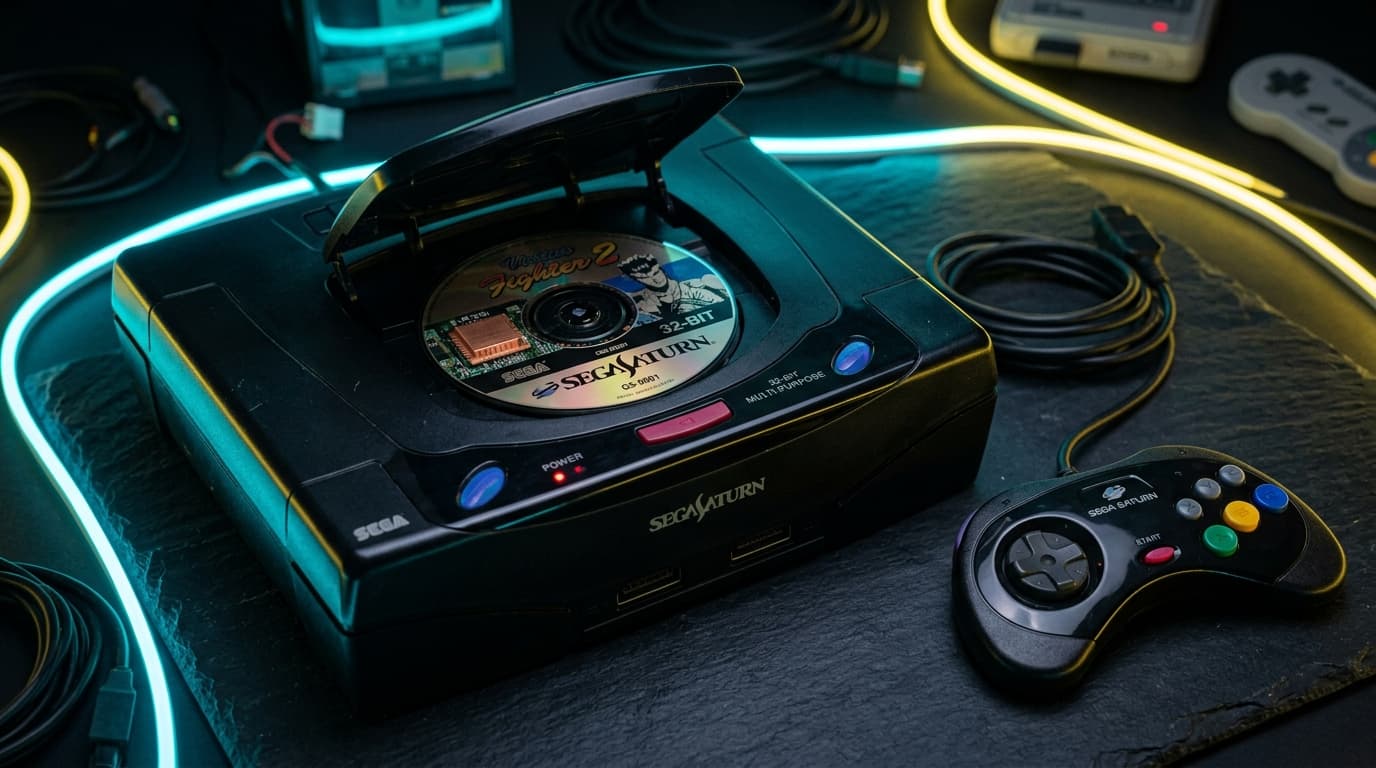
In the mid-1990s, print media achieved its zenith by taping CD-ROMs directly to front covers. For owners of the original PlayStation and beige multimedia PCs, these covermount discs were pure gold. A single disc bundled interactive trials for Tony Hawk's Pro Skater, Silent Hill, or Tomb Raider.
Countless kids played a single warehouse level hundreds of times across a summer vacation while saving allowances for the full retail box. The demo disc possessed an intoxicating ritualism unique to the era.
Secret Codes and Hand-Drawn Cartography
The beating heart of every periodical was the reader mailbag. Editorial departments received thousands of handwritten envelopes weekly, filled with colored pencil fan art, secret fatalites in Mortal Kombat, and urgent pleas for navigation tips in Metroid.
Dungeon maps were meticulously drafted on gridded notebook paper, and cheat codes were exchanged like currency. It was a communal era of tactile discovery and collective wonder that the algorithmic internet can never replicate.