From Fanzines to Professional Print Journalism
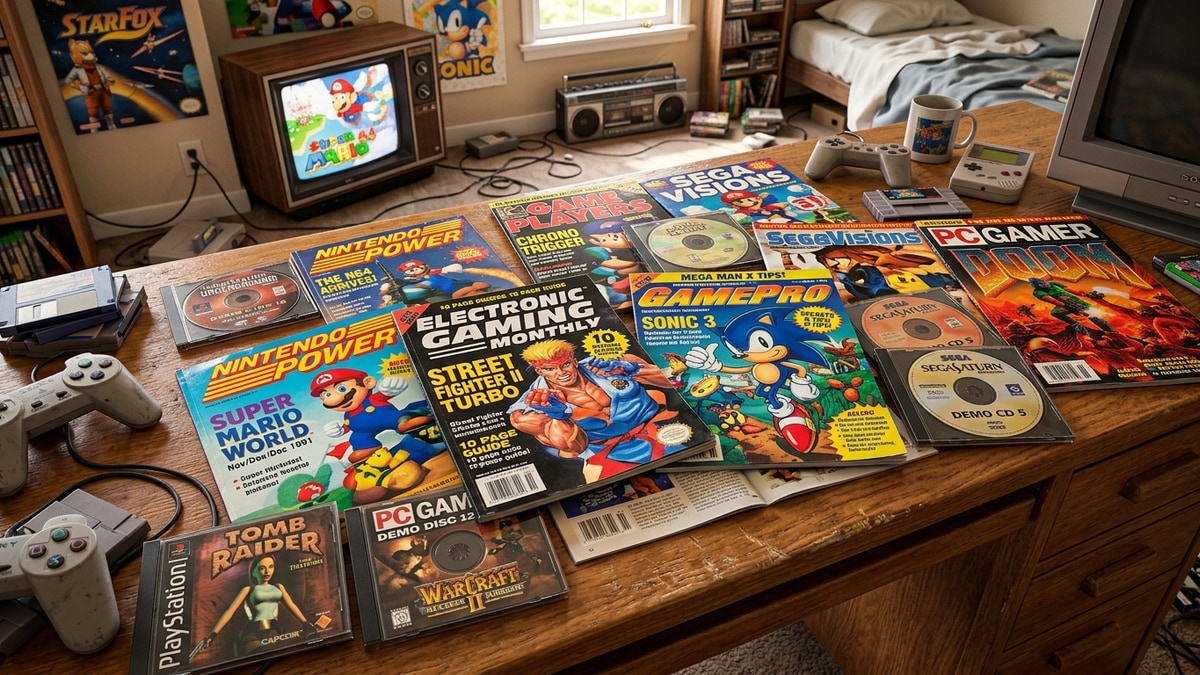
In the 1990s, purchasing a console cartridge or big-box PC game was a major financial investment. Without YouTube, Twitch, or Metacritic, print magazines stood as the sole trusted arbiters of gaming culture.
From grassroots newsletters to glossy monthlies, readers forged deep bonds with editorial staffs, flooding mailboxes with hand-drawn level blueprints, secret fatality codes, and passionate essays.
«A magazine was far more than printed paper; it was a sacred membership card into an underground guild of gamers». (Valery Polyakov, Pioneer of Gaming Print)
The Literary Phenomenon of Elite Gaming Essays
Publications like Game.EXE elevated game critique into high literary art, discarding reductive percentage scorecards in favor of philosophical essays invoking cinema, jazz, and existentialism.
Readers devoured these issues for literary pleasure alone, validating interactive software as a dignified and mature artistic medium long before mainstream academia followed suit.
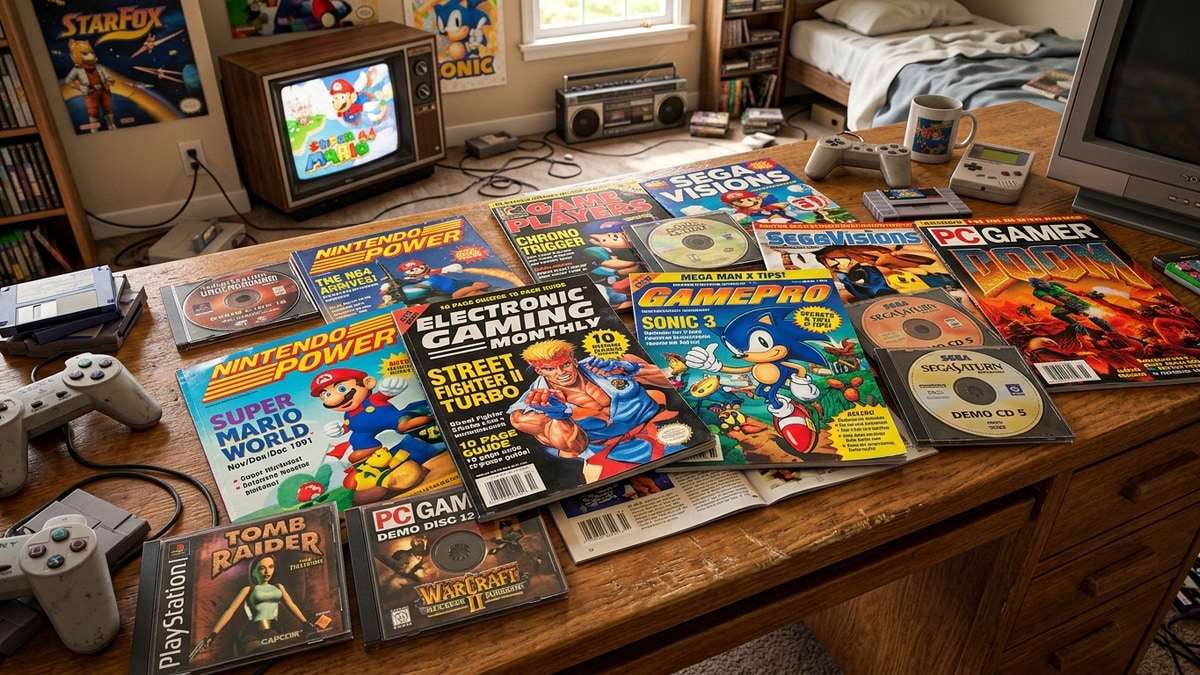
The Magic of Cover Discs: Demos, Patches, and Video Features
In the dial-up era, the cover-mounted CD-ROM was an indispensable lifesaver. Packed with playable demos, critical bug patches, graphics drivers, and E3 video coverage, each disc was an electronic treasure trove.
For millions of households restricted to noisy 33.6 kbps modems, these discs provided access to the wider digital frontier, introducing mods for Half-Life and obscure indie curios years before Steam existed.
«For an entire generation without broadband, that cover disc was a monthly technological miracle shared across entire neighborhoods». (Alexander Kuzmenko, Veteran Print Editor)
The Twilight of Print: Why the Web Won the War but Lost the Soul
By the late 2000s, high-speed broadband and instant digital feeds dismantled the economics of monthly print publishing, rendering four-week print lead times obsolete.
Iconic publications shuttered one by one. Yet the internet's sterile speed could never replicate the tactile thrill: the crisp scent of fresh print ink, the heavy glossy cover, and the anticipation of running to the corner newsstand.