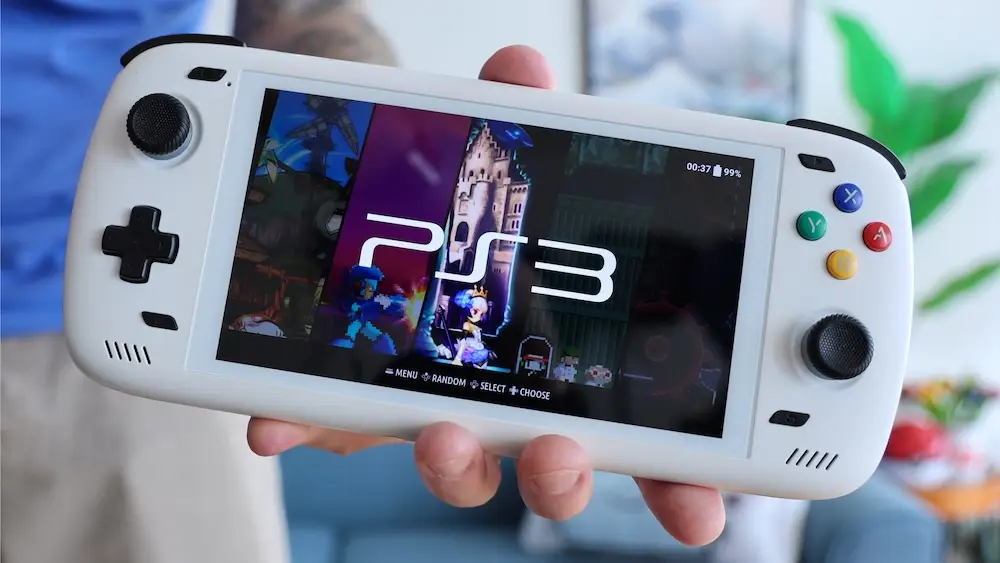
ROCKNIX, a Linux operating system for gaming handhelds, can run on a growing range of Android-based devices from Retroid, AYN and AYANEO, a Retro Game Corps guide explains. The experimental setup boots from a microSD card, giving users another option for emulation and game ports while leaving Android available.
The guide lists support for Retroid Pocket models including the Pocket 5, Pocket Mini, Flip 2 and Pocket 6; AYN’s Odin 1 Pro, Odin 2 family and Thor; and several AYANEO devices, including the Pocket S, Pocket EVO, Pocket DMG, Pocket DS and Pocket S2. The exact compatibility depends on the device’s chipset, and the guide cautions that this remains a work in progress intended for users comfortable with tinkering.
A companion to Android
ROCKNIX comes configured with a collection of emulators, so users can add game files and required BIOS data rather than setting up each emulator individually. Its Linux environment also provides access to systems such as RPCS3, Cemu and Xemu, as well as PortMaster, which the guide says offers more than 900 PC game ports.
However, the guide does not present ROCKNIX as a universal upgrade. Some emulators available on Android are older or unavailable in the Linux environment, and performance and compatibility vary. Retro Game Corps describes the system as a complement to Android rather than a replacement for it.
MicroSD-based installation
The operating system is installed on a microSD card, while a custom bootloader lets users choose between Linux and Android. The guide says the process does not modify the Android installation or its files, and that users can restore the original Android bootloader.
ROCKNIX uses the Linux EXT4 file system, which Windows and Mac computers cannot read without additional software. The guide highlights network transfer, a Linux computer or an external USB drive as ways to move game files onto the card. It also directs users to ROCKNIX documentation for system-specific file and BIOS requirements.
Because support is still developing, the guide recommends checking ROCKNIX community resources for current device information. Its central takeaway is that newer Android handhelds can serve as flexible Linux gaming systems, but the experience involves trade-offs and is best suited to users willing to troubleshoot.
Source: Retro Game Corps