In 1988, finding a new game meant more than browsing a polished storefront. You might spot it between racks of school clothes, track down a specialty shop in a strip mall, or mail off an order and hope it arrived. For a young gamer in the Dallas–Fort Worth area, the search was part of the adventure.
Big-box stores, independent retailers and playground console debates shaped a childhood spent chasing games. Sometimes the best discovery came by chance: a Target trip for back-to-school clothes turned into a first look at Super Mario Bros. 2. The new game’s blue, cloudy box art caught the young player’s eye, and a delighted father agreed to buy it. The next morning’s first day of school was a blur after a late night playing.
Store rituals and console rivalries
Trips to Toys “R” Us and Children’s Palace were family events. Rather than picking up a game directly, shoppers pulled a paper ticket from a display and took it to a glass-enclosed service counter. The wait while an employee fetched the box made the purchase feel like a small ceremony.
At home, the family had an NES, while cousins backed the Sega Master System. On the ride back from the store, the debate began: which system had better graphics, sound and controls?
Finding the game was part of playing it: the hunt, the wait, and the people who came along.
Specialty shops and distant mall runs
Department stores carried the biggest hits, but specialty retailers offered a glimpse of gaming’s stranger and more ambitious corners. In the late 1980s, Rhythm and Views paired high-end audio and video equipment with a substantial game section. It was there that the writer first saw NEC’s TurboGrafx-CD add-on running on premium monitors—a striking sight when many mainstream stores barely recognized the HuCard format.
That hardware came at a price. The TurboGrafx-CD cost $400, while Neo-Geo AES cartridges at Babbage’s could run $200 apiece. A Sega Master System II, by contrast, was found at a distant mall for $50. After a call confirmed the last unit was at Red Bird Mall, the writer’s parents drove across the metroplex through a severe Texas storm to get it.
A quick hardware note
The TurboGrafx-CD expanded NEC’s TurboGrafx-16 with CD-ROM games, while the Neo-Geo AES brought arcade-style hardware into the home. Their advanced formats and high prices made both systems memorable sights in specialist stores.
Independent shops and bus-line quests
By the mid-1990s, Dallas–Fort Worth had a lively network of independent game stores. Weekend trips with parents grew into DART bus expeditions with a friend named Junior, as the pair searched Dallas and Plano for RPGs and other hard-to-find games.
Their backpack finds included:
• Final Fantasy II and Final Fantasy III
• The Legend of Zelda: A Link to the Past
• Breath of Fire
• EarthBound
Video Quest, MicroPlay, Die Hard and Game Force each had their own character. Browsing unfamiliar titles, talking with staff and spotting games never seen in advertisements made these shops more than places to buy something—they were destinations for curious players.
Friends, manuals and marathon sessions
Junior introduced the writer to NES role-playing adventures such as Dragon Warrior, Final Fantasy, StarTropics and Tombs & Treasure. Later, his Genesis collection opened the door to Sword of Vermilion, Phantasy Star II and Shining in the Darkness.
In return, the writer brought Junior to arcades and introduced him to Street Fighter II, Neo-Geo games, Gradius and R-Type. Long sessions unfolded in front of the television, surrounded by manuals, magazines, hand-drawn maps and snack wrappers. Without online guides, they puzzled through dungeons together, traded the controller after tough encounters and celebrated when the credits finally rolled.
Mail-order risks and overseas discoveries
For much of the 8-bit, 16-bit and 32-bit eras, mail-order ads at the back of Electronic Gaming Monthly and GameFan offered a window onto games beyond local shelves. Players circled titles, filled out paper forms or called shops with credit-card details. The wait could be long, and the result uncertain.
Those ads also revealed that familiar systems had different names abroad:
• Genesis was known as Mega Drive.
• SNES was known as Super Famicom.
• TurboGrafx-16 was known as PC Engine.
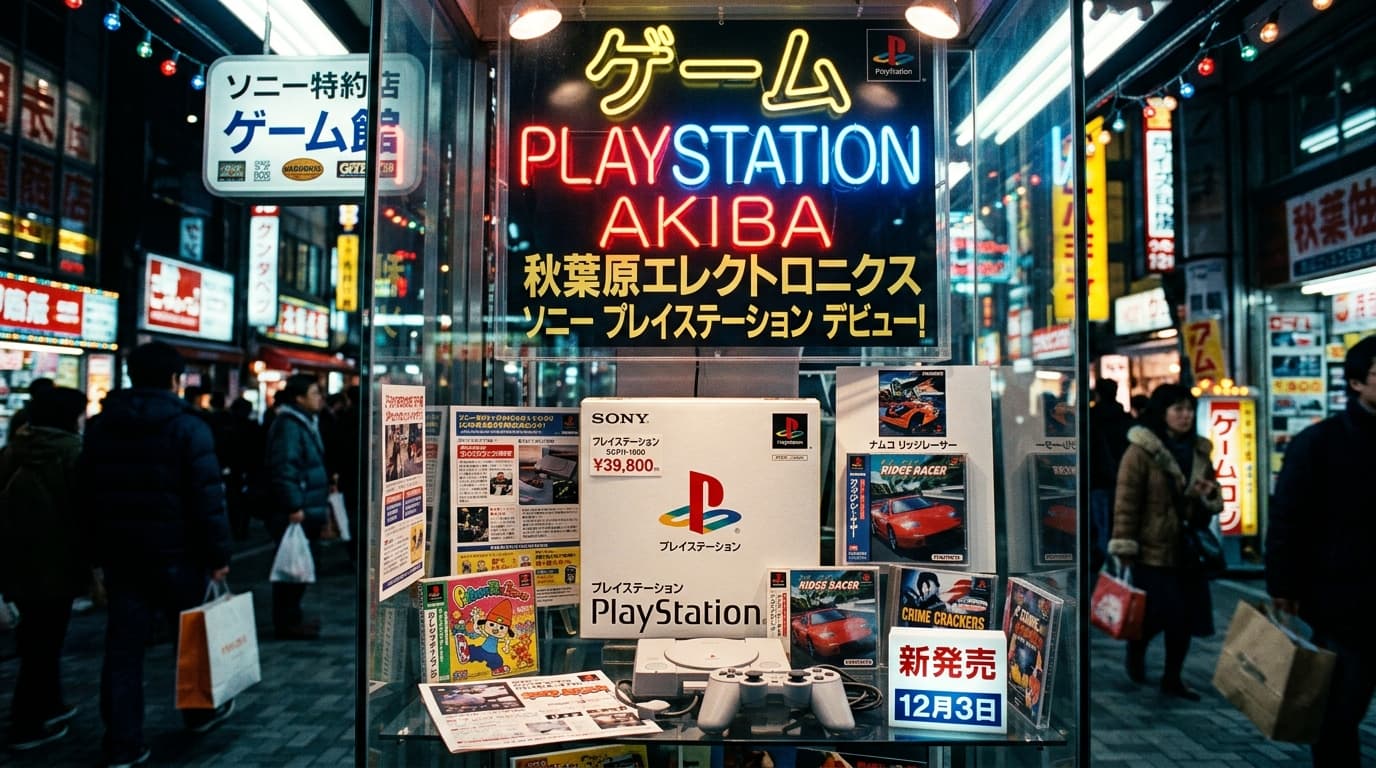
Japanese imports could cost from $84.99 to $149.99 for major releases, and ordering without knowing the language could end in a puzzling surprise. But imports also brought striking box art, distinctive sprites and games unavailable at home. Seeing a friend’s copy of Dragon Quest V for Super Famicom was enough to prompt Junior to place an order himself.
The joy was in the chase
For this gamer, growing up in the 1980s and ’90s was about more than the games. It meant lucky finds on ordinary shopping trips, rain-soaked drives to distant malls, bus rides across the city and the suspense of a package on its way. The search created friendships and memories that still matter decades later.
We didn’t just play games. We hunted them down and built friendships around them.
Source: Old School Gamer Magazine