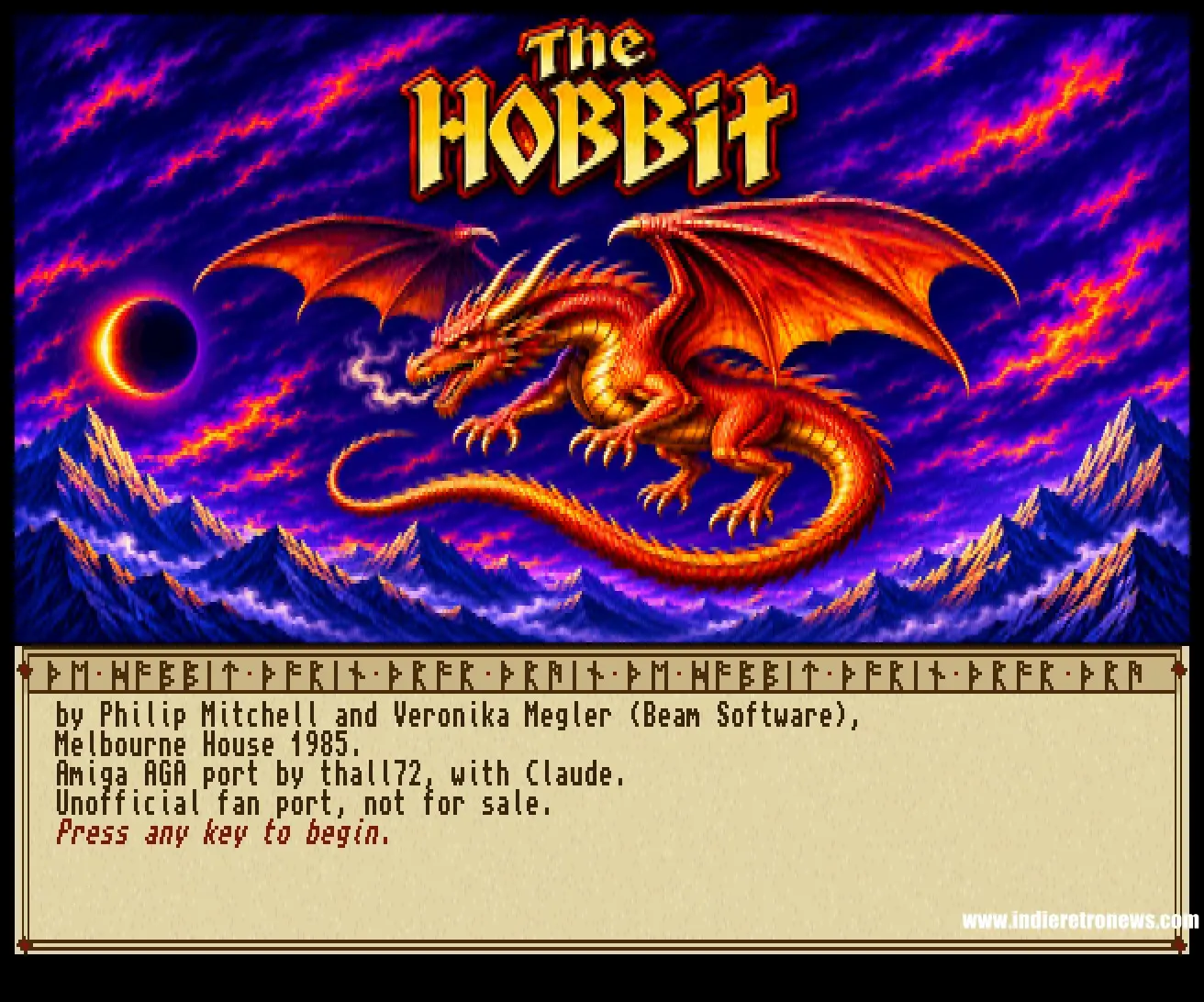
Melbourne House’s 1982 text adventure The Hobbit has been reworked for the Amiga AGA range by developer thall72. The enhanced edition brings the familiar Tolkien adventure to the Amiga 1200 and other AGA-equipped machines, with AI-generated artwork giving the story a new visual presentation.
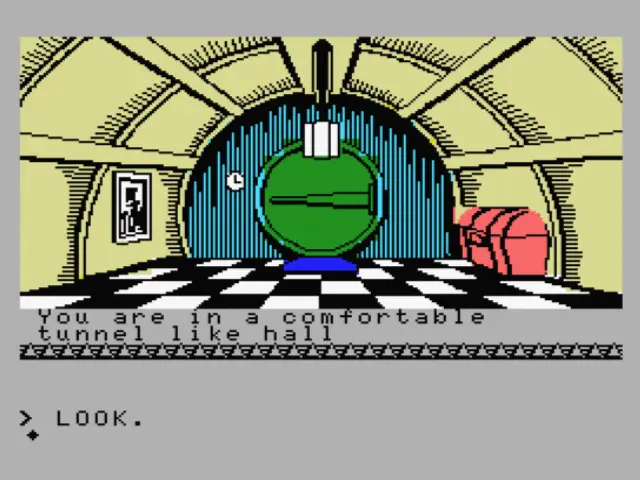
Rather than redesigning the adventure, the port uses the MSX version’s gameplay, translated into native 68000 code and checked against the original for accuracy. Its parser, puzzles and independent non-player characters remain intact.
Classic gameplay, new Amiga presentation
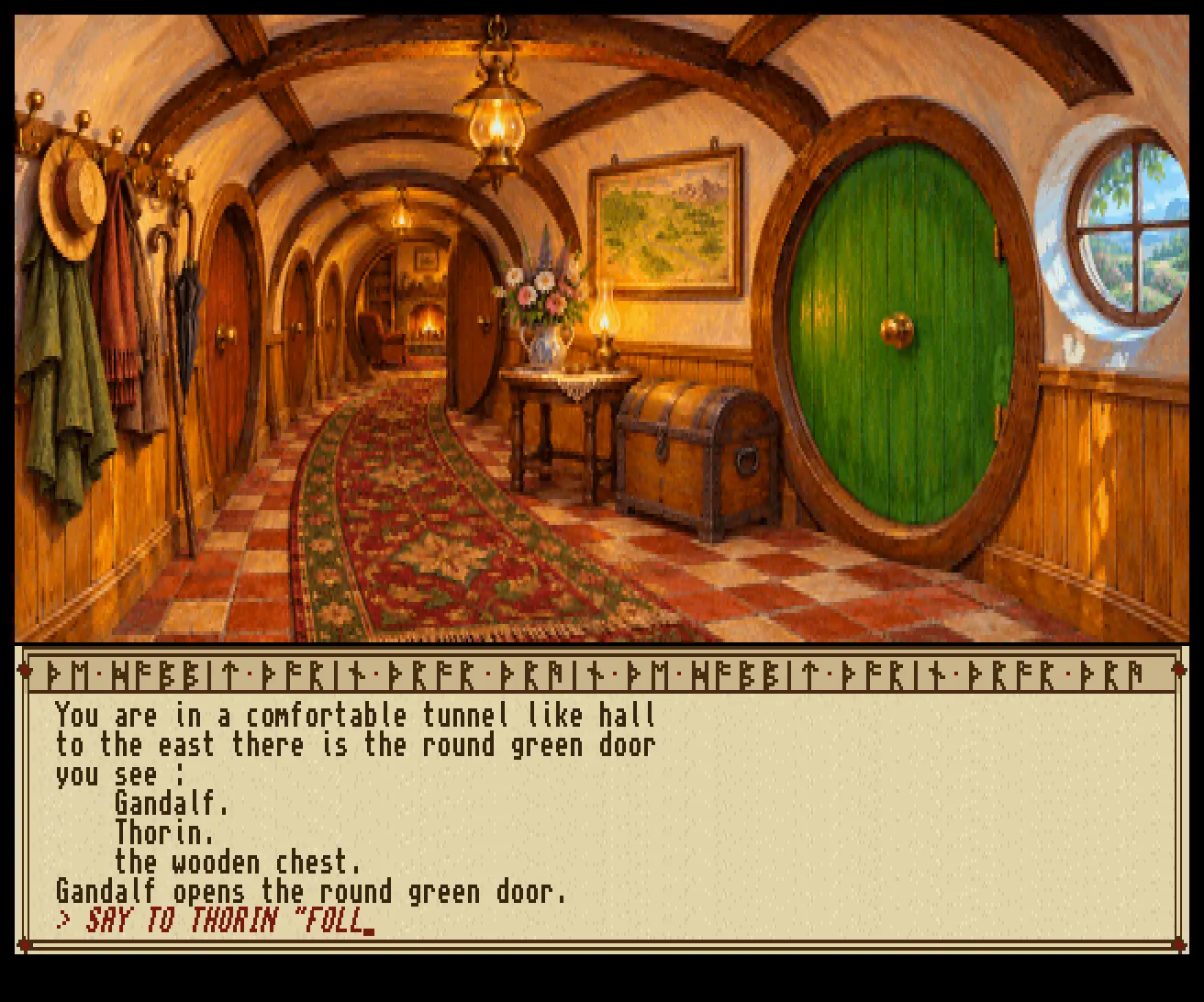
The visual overhaul adds more than 60 paintings that change as the story progresses, along with a high-resolution, 256-colour introduction and credits sequence and a new victory screen. The classic Topaz text display also gains a pause prompt, so players can press Space to take in each line.
Neil Brennan’s well-known Commodore 64 disk soundtrack has been rearranged for the Amiga’s Paula audio chip, using sampled instruments.
The project keeps the original adventure’s puzzles and parser while surrounding them with a fresh, AI-assisted visual layer.
Requirements and a possible classic-art option
The release supports both PAL and NTSC display modes and includes disk-saving functionality. It is available as a seven-disk ADF set or as a WHDLoad package for hard-drive installations.
To run the game, players need Kickstart 3.x and 2 MB of chip RAM. Fast RAM is recommended to reduce disk swaps; WHDLoad requires at least 2 MB of fast RAM. The creator has tested the port on real NTSC Amiga 1200 hardware, MiSTer setups and standard emulators.
Technical note: Amiga AGA
AGA, or Advanced Graphics Architecture, is the chipset used by the Amiga 1200 and other late-generation Amiga models. It supports a broader colour palette than earlier Amiga graphics hardware, making it a fitting base for the edition’s 256-colour artwork.
The developer has also said they will look into offering a classic-art version after the Thanksgiving holiday, following a request for an option to use the MSX artwork instead of AI-generated images.
Source: Indie Retro News